

Serious Injuries. Hidden Failures.
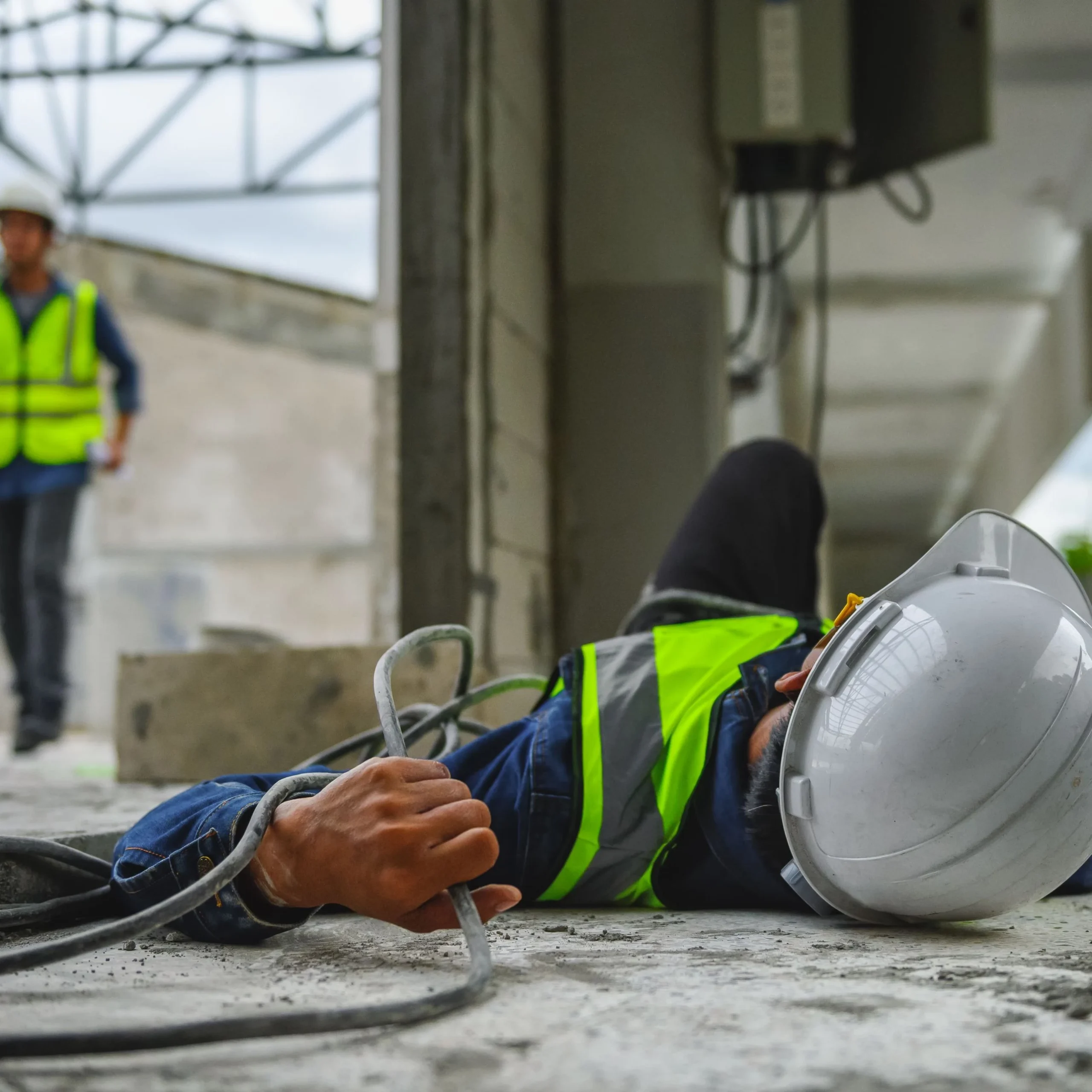
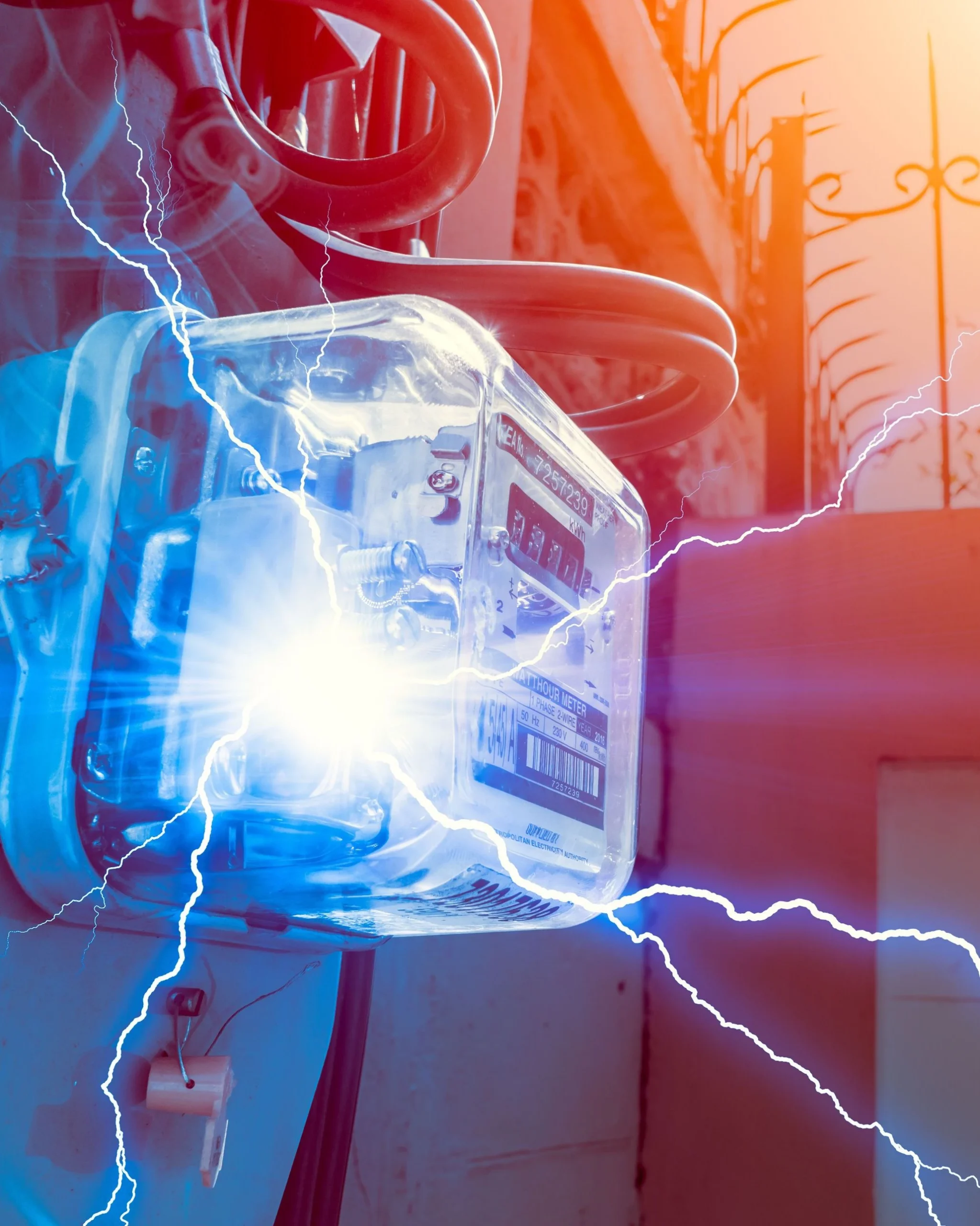
A single contact with live current, a failed lockout procedure, an unguarded electrical panel, a downed power line, or an arc flash can leave a person with life-changing injuries in seconds.
McEldrew Purtell represents people and families after catastrophic electrical injuries involving electrocution, electrical shock, arc flash burns, arc blast trauma, utility failures, construction site hazards, industrial equipment, defective products, and unsafe property conditions. These cases often require immediate investigation because key evidence can disappear quickly, including damaged equipment, maintenance logs, jobsite records, incident reports, surveillance video, and electrical components.
Our job is to move fast, identify every responsible party, and build the case while you focus on medical care, recovery, and your family.

How Much Is Your Case Worth?
Our Results
McEldrew Purtell has a proven track record of maximizing recovery for clients with catastrophic injuries.
Results may vary depending on your particular facts and legal circumstances.

Why Electrical Injury Cases Are So Serious
Electrical injuries can affect the entire body. The visible burn may be only one part of the harm. Depending on the voltage, current pathway, exposure time, and surrounding conditions, electrical trauma can cause:
- Fatal electrocution
- Severe electrical burns
- Arc flash and thermal burns
- Cardiac arrest or rhythm disturbances
- Brain injury from oxygen loss or traumatic falls
- Nerve damage and chronic pain
- Muscle damage and rhabdomyolysis
- Kidney damage
- Vision or hearing injuries
- Blast-related trauma
- Orthopedic injuries from falls
- Amputation
- Psychological trauma after a near-fatal event
NIOSH describes four main types of electrical injuries: fatal electrocution, electric shock, burns or arc blast injuries, and falls from height. That framework matters because many electrical cases involve more than one injury mechanism. A worker may be shocked, thrown from a ladder, burned by an arc flash, and left with orthopedic, neurologic, and psychological injuries from the same event.
Common Causes of Electrocution, Shock, and Arc Flash Injuries
Electrical injury cases usually come down to preventable failures. The injury may look sudden, but the danger often existed long before the incident.
Common causes include:
- Contact with overhead or downed power lines
- Exposed wiring
- Missing or defective grounding
- Lack of ground-fault protection
- Defective extension cords or flexible cords
- Unsafe temporary power systems
- Failure to de-energize equipment
- Lockout/tagout failures
- Poor maintenance
- Missing guards or covers
- Defective electrical components
- Improper installation
- Inadequate warnings
- Lack of arc-rated protective equipment
- Unsafe work near energized circuits
- Poor jobsite supervision
- Utility company failures
- Code violations
- Inadequate training
OSHA identifies frequent causes of electrical injuries, including contact with power lines, lack of ground-fault protection, missing or discontinuous paths to ground, improper equipment use, and improper use of extension and flexible cords.
Ways We Can Help
Electrical injury cases often involve several overlapping areas of law. McEldrew Purtell investigates the full chain of responsibility, not just the most obvious person or company at the scene.
Construction Site Electrical Injuries
Construction workers face serious electrical hazards from temporary power, unfinished wiring, ladders near overhead lines, cranes, utility strikes, energized panels, and unsafe subcontractor work.
Potentially responsible parties may include general contractors, subcontractors, electrical contractors, site safety companies, property owners, utility companies, equipment manufacturers, and maintenance vendors.
Workplace and Industrial Electrical Accidents
Factories, warehouses, refineries, rail yards, plants, manufacturing facilities, and industrial worksites often contain high-energy electrical systems that require strict safety controls. Workers can suffer catastrophic shock, electrocution, arc flash, or blast injuries when companies fail to de-energize equipment, control hazardous energy, maintain systems, provide proper protection, or warn about dangerous electrical conditions.
These cases may involve employers, outside contractors, maintenance vendors, equipment operators, property owners, safety consultants, and other third parties.
Utility, Power Line, and Downed Wire Injuries
Power line cases can involve contact with overhead wires, downed lines after storms, unsafe utility work, poor clearance, improper de-energization, trenching or excavation near underground utilities, or failure to warn the public about live electrical hazards.
Potentially responsible parties may include utility companies, contractors, municipalities, property owners, tree-trimming companies, excavation companies, and equipment operators.
Arc Flash and Arc Blast Injuries
Arc flash cases require technical investigation. The legal team must examine whether the equipment should have been de-energized, whether workers had proper protection, whether an arc flash hazard analysis was performed, and whether the electrical system was properly designed, labeled, maintained, and operated.
These cases often require electrical engineering, workplace safety, human factors, and burn injury experts.
Defective Electrical Products and Equipment
A defective product can expose users to shock, fire, arc flash, or electrocution. Potentially dangerous products may include tools, appliances, batteries, chargers, panels, breakers, cords, industrial machinery, medical equipment, lighting systems, and electrical components.
Potential claims may involve design defects, manufacturing defects, inadequate warnings, improper instructions, or failure to recall dangerous equipment.
Public Place and Commercial Property Electrical Injuries
Electrical hazards in public spaces can injure customers, visitors, pedestrians, workers, tenants, and bystanders. These cases may involve exposed wiring, damaged outlets, unsafe lighting, defective electrical panels, faulty signage, wet electrical areas, parking lot hazards, pool or marina electrical systems, or poor property maintenance.
Potentially responsible parties may include property owners, landlords, commercial tenants, maintenance companies, contractors, electricians, management companies, and product manufacturers.
Residential, Rental Housing, and Apartment Electrical Injuries
Tenants, guests, children, and families can suffer serious electrical injuries when landlords, property managers, or maintenance companies ignore unsafe electrical conditions. These cases may involve exposed wiring, defective outlets, missing covers, overloaded systems, unsafe repairs, water intrusion near electrical components, faulty appliances, or repeated complaints that were never corrected.
Potentially responsible parties may include landlords, property management companies, maintenance contractors, electricians, housing authorities, product manufacturers, and prior repair vendors.
Medical, Hospital, and Facility Electrical Injuries
Hospitals, nursing homes, rehabilitation centers, surgical centers, and care facilities depend on safe electrical systems, backup power, properly maintained equipment, and clear safety procedures. Electrical injuries in these settings may involve defective beds, medical devices, outlets, cords, power systems, monitoring equipment, surgical equipment, mobility equipment, or facility wiring.
These cases may involve product liability, premises liability, medical negligence, negligent maintenance, contractor fault, or facility safety failures, depending on the facts.
Electrical Injury Wrongful Death Cases
Electrical hazards in public spaces can injure customers, visitors, pedestrians, workers, tenants, and bystanders. These cases may involve exposed wiring, damaged outlets, unsafe lighting, defective electrical panels, faulty signage, wet electrical areas, parking lot hazards, pool or marina electrical systems, or poor property maintenance.
Potentially responsible parties may include property owners, landlords, commercial tenants, maintenance companies, contractors, electricians, management companies, and product manufacturers.
Don’t Just Take Our Word For It
Hear From Our Clients
At McEldrew Purtell, results matter and so does the way we achieve them. While our case outcomes reflect our tenacity in court and at the negotiation table, it’s the voices of our clients that truly capture who we are and why we do this work.
We represent people at the worst moments of their lives: after catastrophic injuries, workplace tragedies, and preventable losses. Through every case, we aim to deliver not just compensation but clarity, confidence, and care.
If you’re considering working with a Philadelphia trial lawyer, we invite you to read what our clients have said about their experiences with McEldrew Purtell. Their words are the most powerful testament to our values, our dedication, and our results.
Learn More

McEldrew Purtell Ranks No. 2,365 on the 2026 Inc. 5000 After 142% Three-Year Growth
McEldrew Purtell has been ranked No. 2,365 on the 2026 Inc. 5000, recognizing the firm among the fastest-growing private companies in the United States after achieving 142% growth over three years. The national recognition follows McEldrew Purtell’s earlier inclusion on…
Railroad Toxic Exposure Claims: Cancer, Lung Disease, and Proving Workplace Causation
Railroad workers face dangers that extend far beyond traumatic injuries and derailments. For decades, railroad employees have been exposed to toxic substances capable of causing serious illnesses, including cancer, chronic lung disease, and other life-altering medical conditions. Under the Federal…
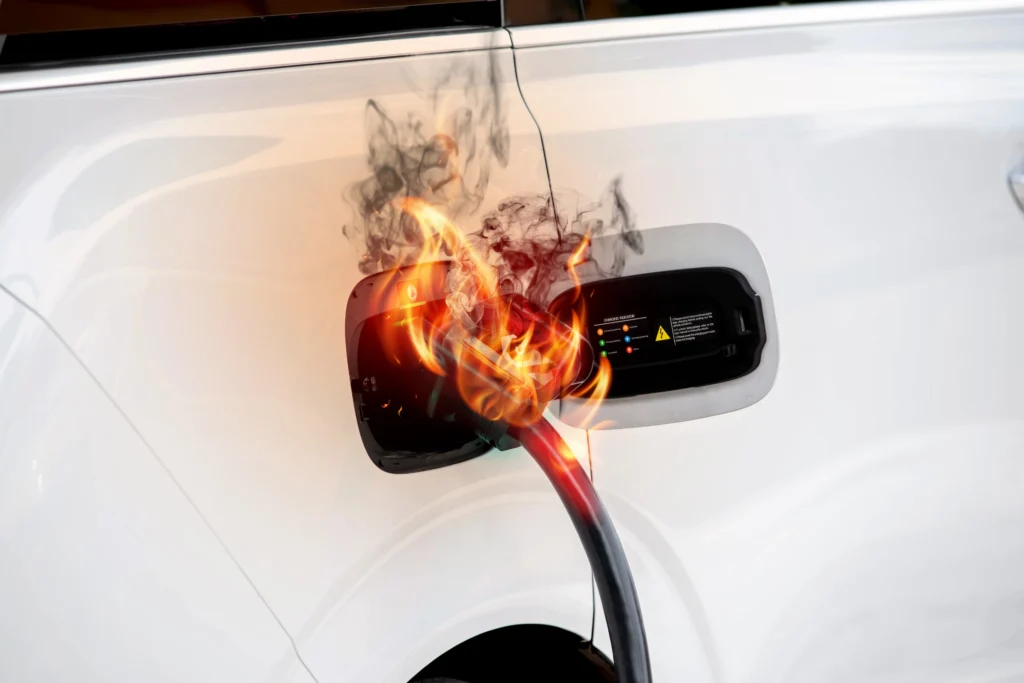
Electric Vehicle Defects: Battery Fires, Severe Burns, and Explosions
Drivers and passengers can suffer severe burns, smoke inhalation, catastrophic injuries, or death when an electric vehicle battery ignites. These fires can happen while a vehicle is charging, parked, operating normally, or damaged in a crash. They can spread rapidly,…

McEldrew Purtell Attorney John Coyle Secures $11.25 Million Settlement in Atatiana Jefferson Civil Rights Case
Historic resolution follows years of litigation seeking accountability for the fatal police shooting of Atatiana Jefferson inside her Fort Worth home McEldrew Purtell attorney John J. Coyle has secured an $11.25 million settlement on behalf of the Estate of Atatiana…

Fatal Accidents Involving Railroad Employees: What Families Should Know About Wrongful Death Claims Under FELA
A fatal railroad accident leaves families facing far more than grief. Many are suddenly dealing with lost income, unanswered questions about what happened, and pressure from railroad investigators before they fully understand their rights. If a railroad employee is killed…
Inside a Nursing Home Crisis: Poor Conditions Leading to Catastrophic Injury or Death
Nursing home residents can suffer catastrophic injuries when facilities fail to provide safe temperatures, clean living areas, working equipment, adequate supervision, and timely personal care. Recent reports about Rochester Manor and Villa in Beaver County describe excessive heat, pests, possible…
FAQs
Get answers to commonly asked questions regarding Electrocution injuries and learn how we can help with your case.
What should I do after a serious electrical shock or arc flash injury?
Get medical care immediately, even if the injury does not look severe at first. Electrical injuries can affect the heart, brain, nerves, muscles, kidneys, skin, and internal organs. If possible, preserve photos, clothing, tools, equipment, incident reports, witness names, work orders, and any damaged electrical components. Do not let a company, landlord, contractor, utility, or insurer control the entire investigation without independent review.
Can an electrical shock cause injuries that appear later?
Yes. Some electrical injuries are visible right away, including burns, wounds, and fall-related trauma. Other symptoms can develop or worsen over time, including nerve pain, numbness, weakness, memory problems, cardiac issues, muscle damage, kidney complications, vision or hearing changes, and psychological trauma. A person should not assume the injury was minor simply because they survived the initial shock.
What is the difference between electrical shock and electrocution?
Electrical shock means a person was exposed to electrical current. Electrocution usually refers to a fatal electrical injury. Many people use the terms loosely, but the distinction matters in legal and medical investigations because a nonfatal shock can still cause catastrophic harm, while an electrocution case may involve wrongful death claims.
What is an arc flash injury?
An arc flash injury happens when electrical energy suddenly travels through the air and releases intense heat, light, pressure, and force. Arc flash events can cause severe burns, eye injuries, hearing damage, blast trauma, falls, amputations, and death. These cases often involve energized electrical panels, switchgear, transformers, industrial systems, or equipment that was not properly maintained, labeled, de-energized, or protected.
Who can be held responsible for an electrical injury?
Responsibility depends on what caused the hazard and who had control over it. Potentially responsible parties may include contractors, subcontractors, electrical contractors, property owners, landlords, utility companies, maintenance vendors, product manufacturers, employers, equipment operators, facility operators, municipalities, and management companies. A full investigation should identify every party that designed, installed, owned, maintained, inspected, repaired, operated, or controlled the dangerous electrical condition.
Can I file a lawsuit if I was shocked or burned at work?
Possibly. Workers’ compensation may apply after a workplace electrical injury, but it may not be the only available claim. A third-party claim may exist if a contractor, property owner, utility company, equipment manufacturer, maintenance company, or another outside party contributed to the injury. These claims can be especially important when the injury involves an arc flash, defective equipment, unsafe jobsite conditions, or failure to de-energize electrical systems.
What evidence matters in an electrical injury case?
Key evidence may include the equipment involved, electrical components, photos, video, incident reports, OSHA records, maintenance logs, inspection records, lockout/tagout records, work orders, training documents, electrical drawings, arc flash studies, warning labels, utility records, prior complaints, repair histories, witness statements, medical records, and expert inspection findings. Evidence can disappear quickly, so early preservation is critical.
Can landlords or property owners be liable for electrical injuries?
Yes, when unsafe property conditions contribute to the injury. Landlords, property owners, property managers, commercial tenants, maintenance contractors, electricians, or repair vendors may be responsible if they failed to fix exposed wiring, defective outlets, missing covers, unsafe lighting, overloaded electrical systems, wet electrical areas, or other known hazards. Prior complaints, repair requests, inspection records, and maintenance history can be important evidence.
Can defective products cause electrical shock or electrocution?
Yes. Defective tools, appliances, batteries, chargers, cords, panels, breakers, medical devices, lighting systems, industrial machinery, and other electrical products can expose users to shock, fire, burns, arc flash, or electrocution. A product liability claim may involve a design defect, manufacturing defect, inadequate warning, poor instructions, or failure to recall dangerous equipment.
What injuries can electrical accidents cause?
Electrical accidents can cause severe burns, cardiac arrest, abnormal heart rhythms, brain injury, nerve damage, chronic pain, muscle damage, kidney injury, vision or hearing loss, broken bones, spinal injuries, traumatic brain injuries, amputations, infection, scarring, disfigurement, psychological trauma, and death. The full extent of harm may require evaluation by burn specialists, cardiologists, neurologists, orthopedists, rehabilitation physicians, and other medical experts.
How are arc flash cases investigated?
Arc flash cases usually require technical investigation by electrical engineering and safety experts. The investigation may examine whether equipment should have been de-energized, whether lockout/tagout procedures were followed, whether arc-rated protective equipment was required, whether the system was properly labeled, whether maintenance was adequate, and whether prior hazards were ignored. The analysis may also review electrical drawings, incident energy calculations, training records, and applicable safety standards.
How long do I have to file an electrical injury lawsuit?
The deadline depends on the state, the type of claim, and who the responsible parties are. Claims against government entities, utilities, employers, contractors, healthcare facilities, or product manufacturers may have different notice rules and filing deadlines. Because electrical injury evidence can change or disappear quickly, it is important to speak with an attorney as soon as possible.
What compensation may be available after a serious electrical injury?
Depending on the facts and jurisdiction, a claim may seek compensation for medical bills, future medical care, lost income, reduced earning capacity, pain and suffering, disability, disfigurement, scarring, rehabilitation, home modifications, long-term care, and other losses. In fatal electrocution cases, surviving family members may be able to pursue wrongful death damages.
When should I contact an electrical injury lawyer?
Contact a lawyer as soon as the injury involves hospitalization, burns, cardiac symptoms, neurologic symptoms, a fall, amputation, permanent limitations, workplace equipment, a power line, defective product, unsafe property, or death. Early legal action can help preserve equipment, secure records, identify witnesses, and prevent responsible parties from controlling the investigation.