
Loading Dock Failures That Change Lives: Trailer Creep, Dock Plate Drops, and Preventable Catastrophic Injuries
Loading docks are supposed to keep people and freight moving safely. But when a trailer shifts, a dock plate drops, or equipment is poorly maintained, the dock becomes one of the most dangerous places in a supply chain operation. These incidents often happen in seconds and can cause catastrophic injuries that alter a person’s health, career, and family life permanently.
This post breaks down how trailer creep and dock plate failures happen, the life-changing injuries they cause, and the safety steps and accountability measures that can prevent them.
What is trailer creep and why it is so dangerous
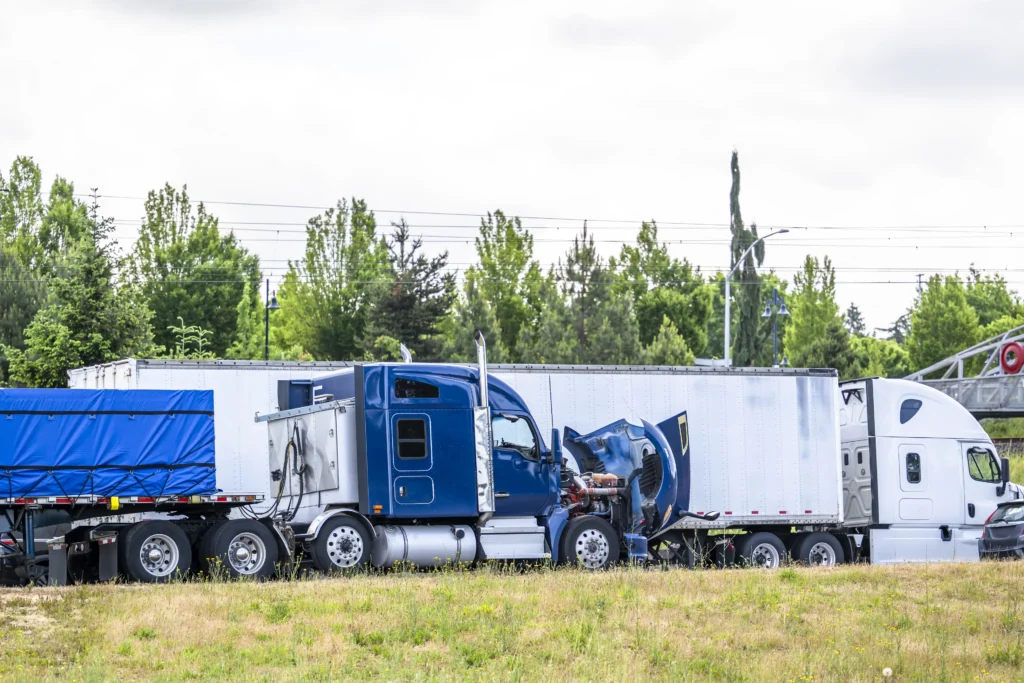
Trailer creep is the gradual movement of a trailer away from the dock during loading or unloading. It can be caused by forklift impact, vibration, uneven flooring, worn brakes, or improper trailer restraint use. Even a small gap between the dock and trailer can become a major hazard.
When the gap grows, a forklift or pallet jack can drop into the void, sending the operator forward and potentially pulling workers down with the equipment. Trailer creep can also cause the dock plate or leveler to lose contact, increasing the chance of a sudden drop.
Dock plate drops and dock leveler failures
Dock plates and dock levelers are meant to bridge the gap between dock and trailer. When they fail, the results can be catastrophic. Common failure scenarios include:
- Sudden collapse due to worn springs, damaged hydraulics, or structural fatigue
- Improper placement or undersized equipment not rated for the load
- Poor maintenance and missed inspections
- Slippery or contaminated dock surfaces causing the plate to shift
- Incorrect operation or bypassed safety interlocks
A dock plate drop can throw a worker off balance, flip a loaded pallet, or cause a forklift to tip or plunge.
Catastrophic injuries we see from dock incidents
Loading dock accidents can produce some of the most severe trauma in workplace injury cases, including:
- Traumatic brain injuries from falls or impact
- Spinal cord injuries and paralysis
- Crush injuries to the legs, pelvis, and torso
- Amputations from pinch points or tip-over events
- Severe fractures requiring surgeries and long rehabilitation
- Fatal injuries, including wrongful death claims
These injuries often involve long hospital stays, multiple procedures, permanent work restrictions, and substantial future medical needs.
Why these injuries are often preventable
Most loading dock catastrophes trace back to preventable safety breakdowns, such as:
- No working trailer restraint system or failure to use it
- Worn dock levelers, plates, or hinges that were not repaired
- Inadequate dock lighting or poor visibility
- Missing wheel chocks or ineffective chocking procedures
- Rushed operations and unrealistic productivity demands
- Lack of training on safe docking, spotting, and loading procedures
Safety measures are well known in warehousing and distribution environments. When they are ignored, the consequences are predictable.
Who may be responsible after a loading dock catastrophe
Depending on the facts, liability can extend beyond a single employer. Potentially responsible parties can include:
- Property owners or facility operators responsible for dock maintenance and safe conditions
- Third-party logistics providers managing dock operations
- Equipment manufacturers if a dock plate, leveler, restraint, or interlock system was defectively designed or manufactured
- Maintenance contractors who failed to inspect, repair, or service dock equipment properly
- Trucking companies if trailer condition, braking, or docking practices contributed to the incident
A thorough investigation can identify all available sources of recovery, especially when the injuries are catastrophic and future costs are significant.
What to do after a trailer creep or dock plate drop incident
If you or a loved one is hurt in a loading dock accident, these steps can protect health and preserve critical evidence:
- Get medical care immediately and follow up with specialists
- Report the incident and request an incident report
- Photograph the dock area, dock plate or leveler, trailer position, restraints, wheel chocks, and any warning signage
- Get names of witnesses and identify cameras that may have recorded the event
- Do not allow equipment repairs or disposal without preserving evidence when possible
- Speak with counsel early, especially when severe injuries are involved
In catastrophic injury cases, early evidence collection can make a major difference.
The bottom line
Trailer creep and dock plate drops are not random accidents. They are often the predictable result of missing restraints, worn equipment, inadequate training, or ignored maintenance. When the systems that should keep workers safe fail, the injuries can be permanent, and accountability matters.
Call McEldrew Purtell
If you were seriously injured at a loading dock or lost a loved one in a preventable dock incident, McEldrew Purtell can help you understand your legal options and investigate who may be responsible. Contact us today for a confidential case evaluation.