

Jones Act Negligence: Protecting Seamen from Employer Misconduct
The Jones Act is a powerful federal law designed to protect seamen who are injured due to their employer’s negligence. Unlike traditional workers’ compensation systems, the Jones Act allows injured maritime workers to bring direct claims against their employers for full damages when unsafe practices or poor supervision lead to harm.
Life at sea is demanding and dangerous. But when catastrophic injuries or fatalities occur because an employer cut corners, ignored safety standards, or pressured crews to take unnecessary risks, those losses are preventable. The Jones Act exists to hold maritime employers accountable when their negligence causes serious harm.
At McEldrew Purtell, we represent deckhands, engineers, commercial fishermen, tug and barge workers, offshore crew members, and other seamen whose lives have been permanently altered by avoidable maritime accidents.

How Much Is Your Case Worth?

Why Serious Maritime Injuries Happen
Catastrophic injuries offshore are often the result of systemic employer negligence rather than isolated accidents. Common contributing factors include:
- Unsafe or poorly designed work procedures
- Inadequate safety training or onboarding
- Understaffing that forces crews to work beyond safe limits
- Fatigue caused by excessive hours or unrealistic schedules
- Improper supervision of high-risk operations
- Pressure to continue working despite hazardous weather or equipment conditions
- Failure to enforce safety protocols or correct known dangers
Maritime employers have a legal duty to provide a reasonably safe place to work. When that duty is ignored, the consequences can be devastating.
Catastrophic Injuries We Commonly See
Maritime environments involve heavy machinery, unstable footing, powerful equipment, and unpredictable conditions. When negligence is involved, the resulting injuries are often severe and life-changing.
These may include:
- Traumatic brain injuries
- Spinal cord injuries and paralysis
- Crush injuries and amputations
- Pelvic and complex orthopedic fractures
- Internal organ damage
- Severe lacerations and degloving injuries
- Severe burns and explosions
- Drowning and near-drowning events
For many injured seamen, recovery is long, uncertain, and financially overwhelming. Some are never able to return to maritime work.


Wrongful Death Under the Jones Act
When a seaman loses their life due to employer negligence, surviving family members may pursue a wrongful death claim under the Jones Act and related maritime laws.
A wrongful death claim can seek compensation for lost financial support, funeral expenses, and the loss of care and guidance provided by the deceased. While no legal action can undo the loss, it can provide financial stability and accountability for preventable tragedy.
Who May Be Liable
Under the Jones Act, a maritime employer can be held liable if their negligence played any part in causing the injury or death. The standard of causation under the Jones Act is favorable to injured seamen.
Potentially responsible parties may include:
- The vessel owner
- The seaman’s direct employer
- Offshore operators or charter companies
- Third-party contractors involved in vessel operations
In many cases, multiple entities share operational control or responsibility for safety decisions. Identifying all liable parties is critical to maximizing recovery.


How We Build Jones Act Negligence Cases
Successful Jones Act claims require a detailed investigation and deep understanding of maritime operations.
Our approach includes:
- Securing vessel logs, safety manuals, and incident reports
- Reviewing crew schedules to evaluate fatigue and understaffing
- Examining training records and safety certifications
- Interviewing crew members and supervisors
- Preserving electronic data and maintenance records
- Consulting maritime safety and industry experts
We focus on exposing systemic failures, not just surface-level explanations. When employers attempt to blame the injured seaman or characterize the incident as unavoidable, we confront those defenses with evidence.
How McEldrew Purtell Can Help
Maritime employers and their insurers move quickly after serious accidents. Their goal is often to limit liability and minimize payouts. Injured seamen and grieving families deserve advocates who understand the complexities of maritime law and are prepared to litigate aggressively.
If you or a loved one suffered a catastrophic injury or wrongful death at sea, you do not have to navigate the legal system alone. Contact McEldrew Purtell to discuss your Jones Act negligence claim and learn how we can help protect your future.

Learn More

Company Accident Reports vs. Reality: How Maritime Investigations Uncover What Happened
Right after a maritime incident, the first story usually comes from the company. A supervisor’s write-up, an internal “safety report,” or a quick email to management can sound definitive. But those early narratives are often incomplete, shaped by limited information,…
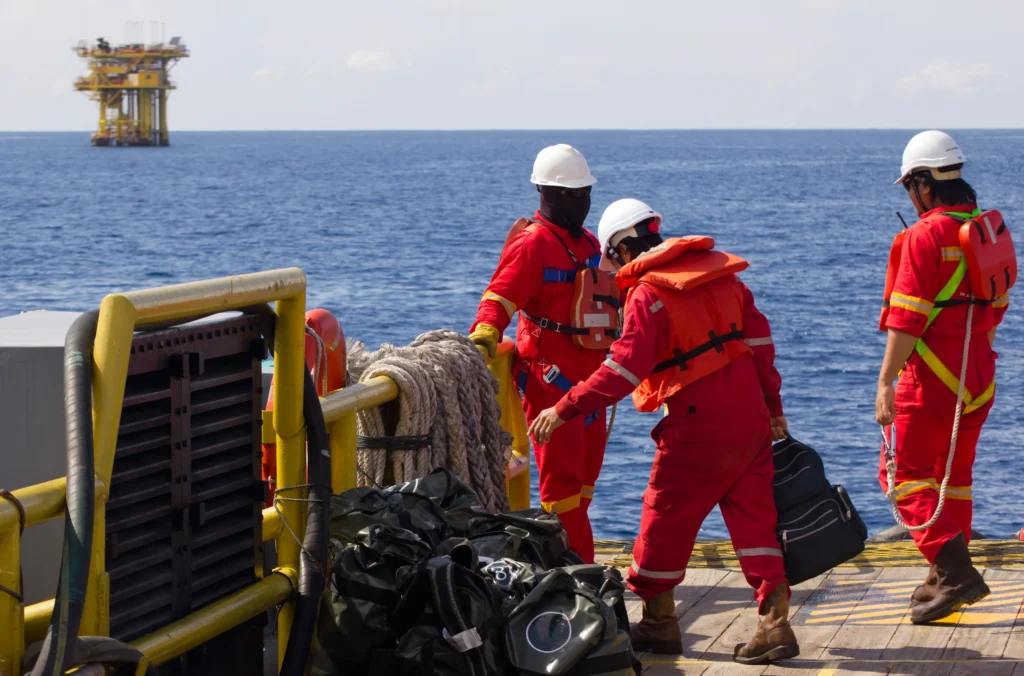
Safety Gear Failures Offshore: Harnesses, PFDs, and Fall-Protection Equipment That Didn’t Perform
Offshore work is unforgiving. When the equipment meant to keep a worker alive fails, the outcome is often catastrophic: drowning, traumatic brain injury, spinal cord damage, crush injuries, or fatal falls. These cases are especially painful because the entire point…
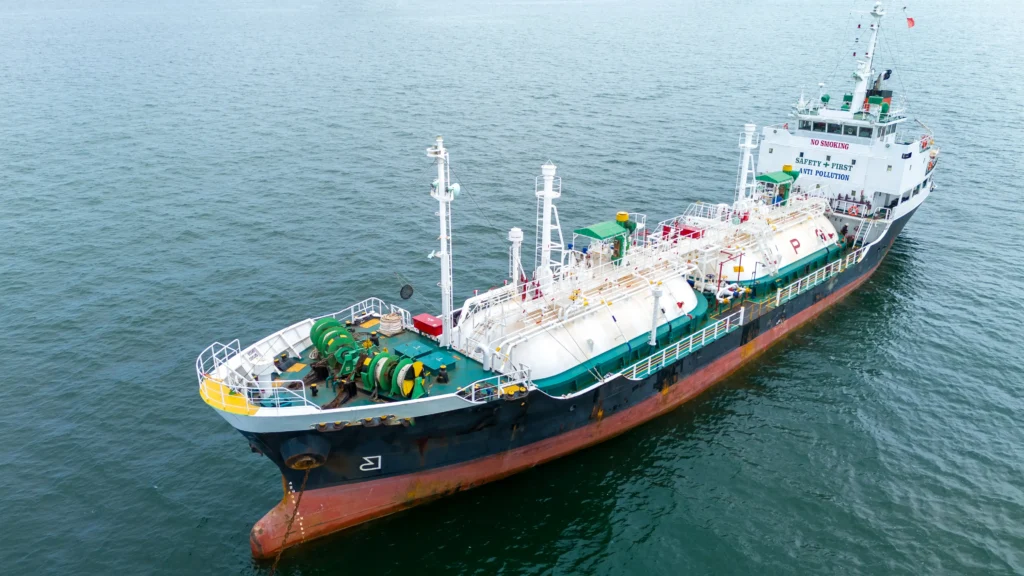
Improper Supervision on Vessels: The Overlooked Liability Driver
When a serious injury happens offshore or on a working vessel, the focus often lands on the obvious factors like rough seas, heavy equipment, or a single mistake in the moment. But in many maritime injury cases, the real driver…
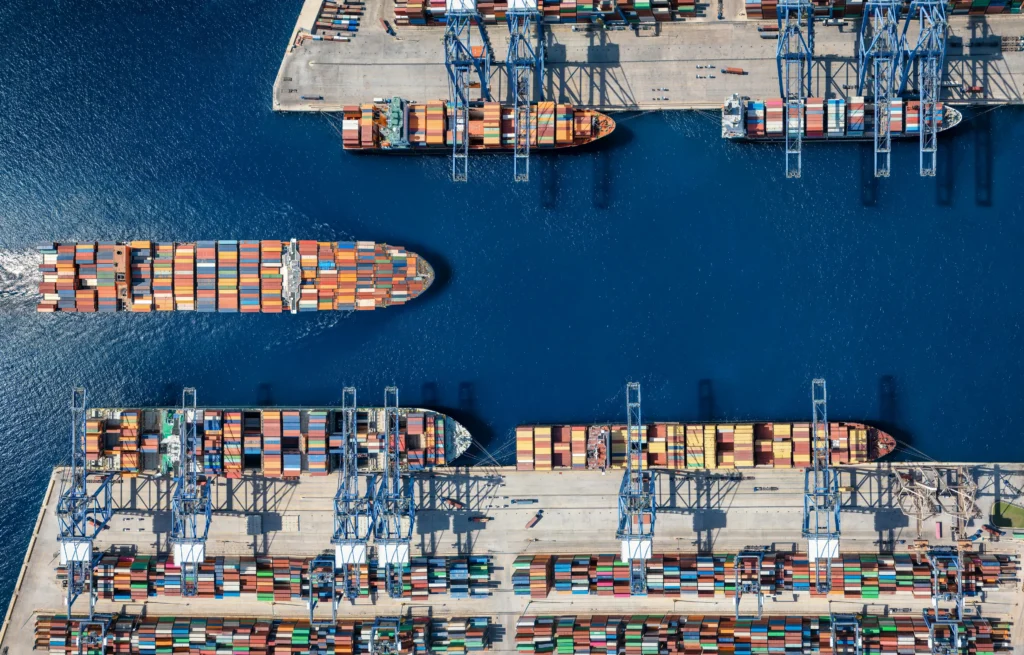
Jones Act vs. LHWCA: Which Maritime Law Applies to Your Injury?
If you are hurt working on or around the water, the first legal question is often not how bad the injury is. It is which maritime law applies. For most injured maritime workers, the answer is either the Jones Act…

Offshore Supply Vessel Injuries: Crew Transfers, Winches, Cranes, and Heavy Equipment Risks
Offshore supply vessels keep operations moving, but the same equipment that makes the job possible also creates serious injury exposure. Crew transfers in changing seas, suspended loads on deck, and pinch points around winches and cranes can turn routine tasks…

Maritime Wrongful Death: Who Can File and What Damages Are Available
Losing a loved one in a maritime incident is devastating, and the legal path forward is often more complicated than a typical wrongful death claim. Maritime cases can involve federal statutes, general maritime law, and sometimes state wrongful death laws,…