
Improper Supervision on Vessels: The Overlooked Liability Driver
When a serious injury happens offshore or on a working vessel, the focus often lands on the obvious factors like rough seas, heavy equipment, or a single mistake in the moment. But in many maritime injury cases, the real driver is less visible: improper supervision.
Poor oversight can quietly shape every decision leading up to an incident. It can normalize shortcuts, allow unsafe practices to continue, and leave crewmembers without the direction or support they need to do the job safely. Under the Jones Act, negligent supervision can be a key liability issue when it contributes to an injury.
What improper supervision looks like offshore
Improper supervision is not only yelling or lack of discipline. In maritime operations, it often shows up as:
- No clear job briefing before a lift, transfer, or line handling operation
- Untrained or poorly trained workers assigned to high risk tasks
- No enforcement of red zones, snap-back zones, or stop work authority
- Rushed timelines that encourage cutting corners
- No effective oversight of contractors working alongside the crew
- Failure to correct known hazards or repeated near misses
- Inadequate watchkeeping or fatigue management
Supervision failures also overlap with training and competency requirements. The Coast Guard has emphasized the importance of emergency drills and onboard preparedness for offshore supply vessels, which ties back to whether vessel leadership is setting and enforcing safe systems of work.
Why supervision is so often the missing piece
Many vessel injuries are blamed on a “one off” act by a single worker. But offshore incidents tend to be system failures:
- The lift plan was unclear or never discussed
- Communication between bridge, crane operator, and deck crew broke down
- The wrong person was acting as signalman
- A known defective winch or crane was kept in service
- The crew was fatigued but still pushed to complete the task
Supervision is the layer that should catch these issues before they become injuries. When that layer is weak, the risks compound quickly.
Common injury scenarios tied to poor supervision
Crew transfers
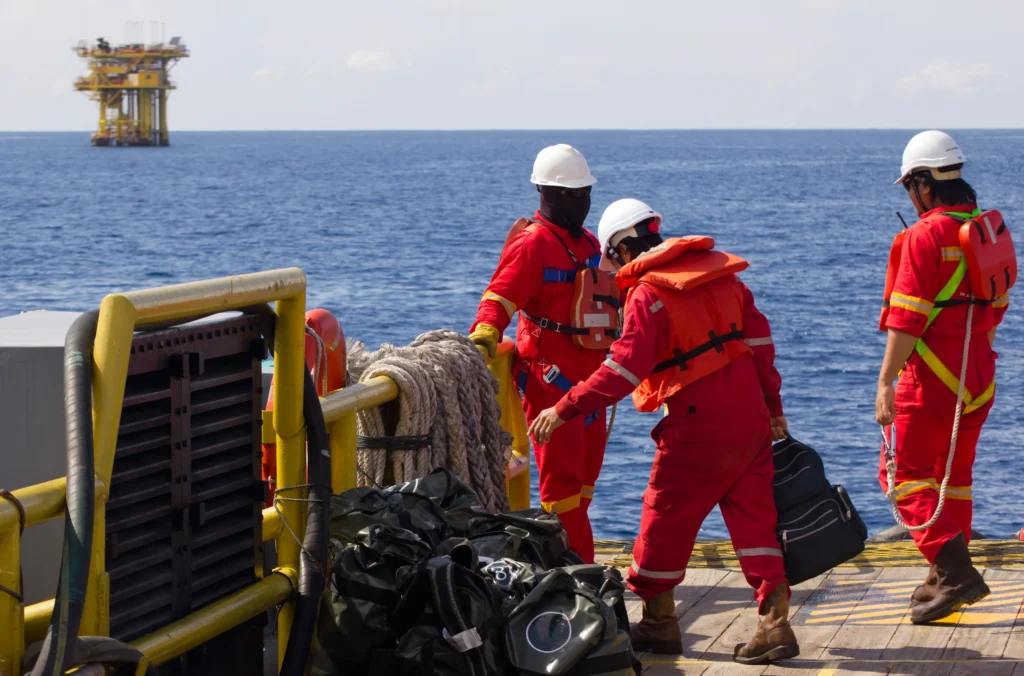
Improper supervision during transfers can mean no clear go no-go decision, lack of coordination with platform personnel, or allowing a transfer to proceed in unsafe sea states.
Crane and lifting operations
Dropped objects and struck-by injuries often involve inadequate oversight of rigging, tag line use, red zone control, or communication protocols. Offshore safety alerts routinely highlight lifting incidents as a major risk area.
Winches and line handling
Snap-back injuries and entanglements often occur when supervisors do not enforce snap-back zone controls, do not assign roles clearly, or fail to stop unsafe operations.
Maintenance and engine room work
Many severe burns, crushing injuries, and amputations happen when lockout tagout is ignored, guards are missing, or tasks are performed without proper oversight.
How improper supervision supports a Jones Act claim
Under the Jones Act, an employer can be liable if negligence played any part, even a small part, in causing the injury. Negligence can include failure to provide proper supervision, failure to enforce safety rules, or assigning workers to tasks beyond their training and competence.
This is why supervision issues can be so important. They connect the injury to preventable operational decisions, not just the final moment of the incident.
Evidence that can matter in supervision based maritime cases
If improper supervision may have contributed to an injury, helpful evidence can include:
- Job safety analyses, lift plans, and toolbox talk records
- Training files and competency documentation
- Maintenance and inspection records for equipment involved
- Work rest schedules and fatigue related communications
- Vessel logs, incident reports, and near miss records
- Witness statements and radio or bridge communications when available
- Prior similar incidents involving the same supervisor or vessel
If you were injured offshore, get clarity on your rights
If you were hurt on a vessel and supervision failures played a role, you may have legal options under the Jones Act, general maritime law, or potentially through a third party claim depending on the circumstances.
McEldrew Purtell represents injured maritime workers and families in serious injury and wrongful death cases. Contact us for a confidential case review to discuss what happened, what evidence to preserve, and what claims may apply.