
Jones Act vs. LHWCA: Which Maritime Law Applies to Your Injury?
If you are hurt working on or around the water, the first legal question is often not how bad the injury is. It is which maritime law applies. For most injured maritime workers, the answer is either the Jones Act or the Longshore and Harbor Workers Compensation Act (LHWCA). The benefits, deadlines, and legal strategy can look very different depending on which one fits your job.
Here is a practical way to understand the difference and why correct classification matters.
The basic difference
Jones Act: Applies to seamen and allows an injured worker to sue their employer for negligence in a civil lawsuit with the right to a jury trial.
LHWCA: Applies to many land based maritime workers (like longshore, shipyard, and harbor workers) and provides a federal workers compensation style system. It also specifically excludes a “master or member of a crew of any vessel.”
Who is covered by the Jones Act?
The Jones Act is a federal statute that gives an injured seaman a negligence claim against their employer.
In real life, the fight is usually over whether you qualify as a “seaman.” The Supreme Court has explained that seaman status generally requires an employment related connection to a vessel in navigation that is substantial in nature and duration.
Common Jones Act workers include:
- Deckhands and engineers
- Tug and barge crews
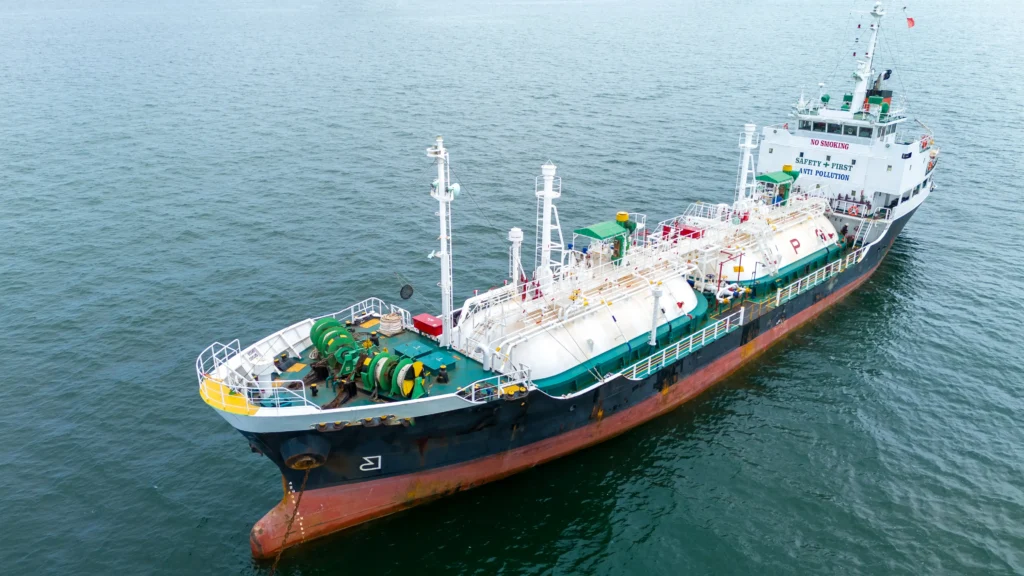
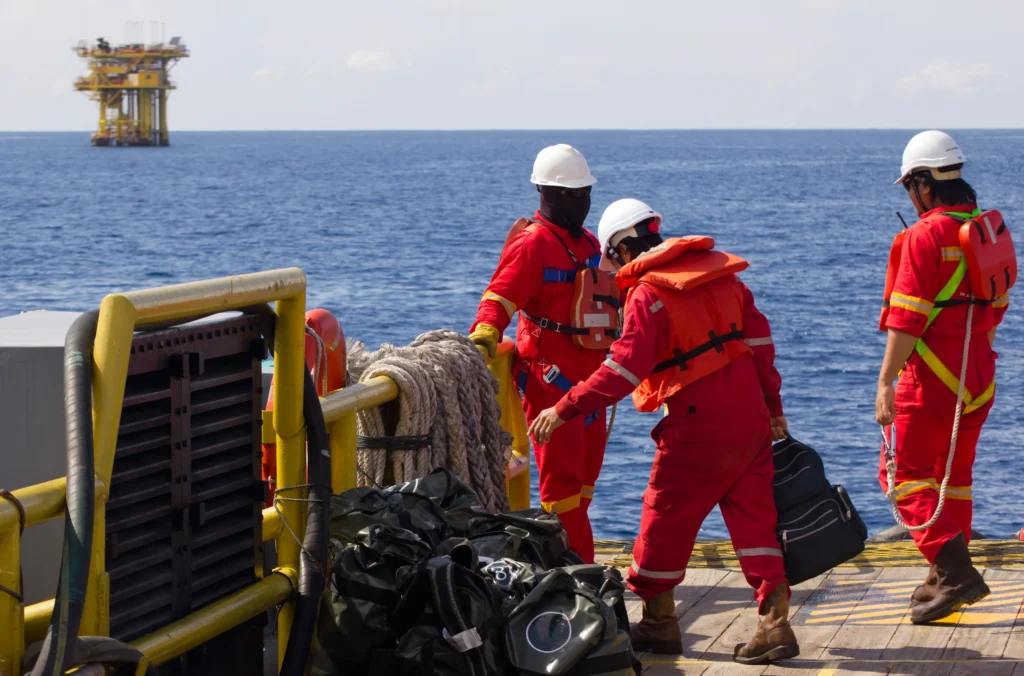
- Offshore supply vessel crews
- Many drilling vessel and construction vessel crewmembers
- Certain captains and mates
Who is covered by the LHWCA?
The LHWCA covers many maritime employees who work on or near navigable waters, including longshore workers and specific shipyard trades like ship repairmen, shipbuilders, and ship breakers.
Typical LHWCA jobs include:
- Longshore and terminal workers
- Shipyard and dry dock workers
- Harbor construction workers
- Some maritime mechanics and repair trades who are not vessel crew
The statute’s definitions also spell out several categories of workers who are excluded, including the “master or member of a crew of any vessel,” which is why seamen are generally not in the LHWCA system.
Why the choice matters: benefits and recovery options
Under the Jones Act
Potential recovery can include:
- Past and future lost wages
- Medical expenses
- Pain and suffering
- Other damages tied to employer negligence
Jones Act cases also commonly involve related maritime rights like maintenance and cure and unseaworthiness claims, depending on the facts.
Under the LHWCA
Benefits are generally workers compensation style:
- Medical care
- Wage loss benefits
- Scheduled awards for certain permanent impairments, depending on the injury and circumstances
You typically do not sue your employer for negligence like you would under the Jones Act, but third party claims may still exist in some cases.
Common gray areas we see in real cases
Some workers fall into a coverage “battle zone,” especially when job duties change or you split time between a vessel and shore side work. Examples:
- A worker who spends part of the year on a vessel and part in a shipyard
- A “day worker” assigned to a fleet but not permanently attached to one vessel
- Offshore workers covered by extensions that can bring additional rules into play (for example, some Outer Continental Shelf related claims)
Misclassification can delay treatment, reduce benefits, or push you into the wrong claim path.
What to do after a maritime injury
- Report the injury promptly and request medical evaluation
- Document where you were working and what you were doing (vessel name, job title, crew list, assignment schedule)
- Keep copies of incident reports, daily logs, and any communications
- Do not assume your employer or insurer picked the right law
Talk with a maritime injury lawyer about the right claim
If you were injured working offshore, on a vessel, in a shipyard, or at a terminal, McEldrew Purtell can help determine whether the Jones Act or the LHWCA applies and what that means for your recovery. Contact us today for a confidential case review.