

Heavy Metals Are Not “Low-Level Risks”
These are not obscure chemicals or hypothetical dangers. They are well-documented toxic metals that can cause irreversible neurological damage, organ failure, developmental injury, and fatal disease, even at levels that were dismissed or ignored for years.
When exposure occurs through drinking water, industrial emissions, or contaminated products, the consequences can be catastrophic and preventable.

How Much Is Your Case Worth?
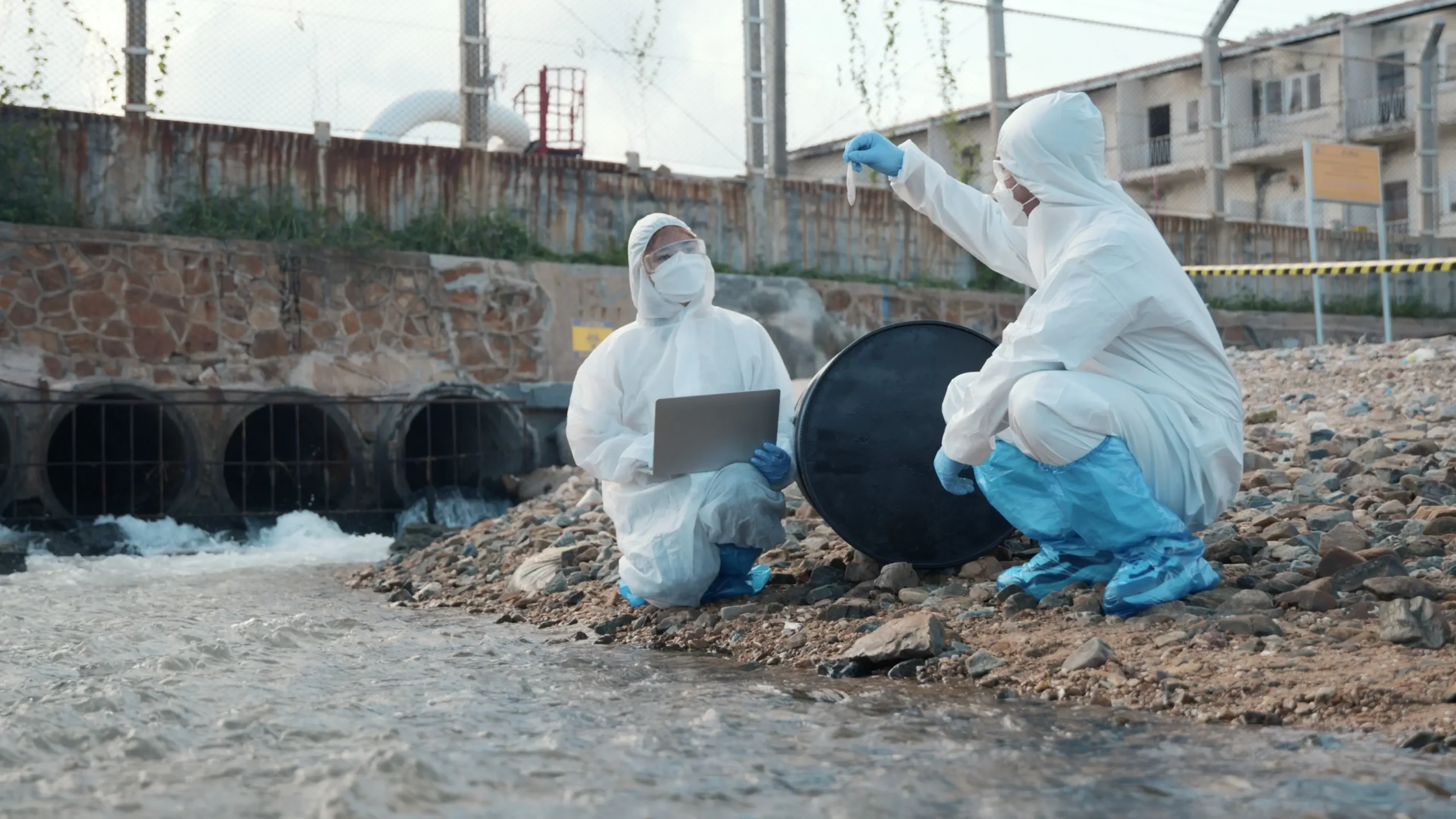
How Toxic Metal Exposure Happens
Heavy metal cases often trace back to everyday systems people are forced to trust.
Common exposure pathways include:
- Contaminated drinking water, including municipal water systems and private wells
- Industrial emissions released into air, soil, or groundwater
- Manufacturing byproducts improperly handled or disposed of
- Consumer goods containing unsafe levels of toxic metals
- Premises contamination where property owners failed to remediate known hazards
In many cases, the danger was known or should have been known long before families were harmed.
The Injuries Are Severe and Often Permanent
Toxic metal exposure is linked to some of the most devastating outcomes seen in toxic tort litigation.
Depending on the metal and duration of exposure, injuries may include:
- Severe neurological damage
- Cognitive impairment and developmental delays in children
- Kidney, liver, and cardiovascular failure
- Respiratory disease
- Cancer and systemic organ damage
- Fatal poisoning and wrongful death
These cases are not about minor illness or temporary discomfort.
They are about lives permanently altered or ended by exposure that never should have occurred.


Who May Be Held Accountable
Heavy metal exposure cases frequently involve powerful entities that failed to protect public health.
Potentially responsible parties may include:
- Municipal water suppliers that delivered contaminated water
- Manufacturers that released or concealed toxic byproducts
- Industrial operators that exceeded safety limits or ignored environmental controls
- Premises owners who failed to address known contamination risks
- Distributors and sellers of unsafe consumer goods
How We Handle Heavy Metal Cases
Heavy metal cases are evidence-driven and science-intensive. They require:
- Environmental testing and historical exposure analysis
- Medical causation supported by toxicology and epidemiology
- Regulatory and compliance investigation
- Clear documentation of preventable harm
McEldrew Purtell approaches these matters with the understanding that the stakes are not theoretical. When exposure leads to catastrophic injury or wrongful death, accountability must reflect the full scope of harm.


When Toxic Exposure Takes Everything, Accountability Should Follow
When toxic metal exposure results in catastrophic injury or wrongful death, families are left carrying consequences they did not create and could not prevent. These cases are not just about proving contamination they are about uncovering who failed to act, who ignored known risks, and who must be held responsible for irreversible harm. If you believe heavy metal exposure has altered your life or taken someone from your family, this is the moment to seek answers and demand accountability.
Learn More

Railroad Toxic Exposure Claims: Cancer, Lung Disease, and Proving Workplace Causation
Railroad workers face dangers that extend far beyond traumatic injuries and derailments. For decades, railroad employees have been exposed to toxic substances capable of causing serious illnesses, including cancer, chronic lung disease, and other life-altering medical conditions. Under the Federal…
Toxic Exposure Claims: Identifying the Right Liability Theory
Toxic exposures can cause life-altering injuries. The source may be a defective product, an unsafe workplace, a leaking facility, a mislabeled container, or a chemical release that reaches homes, schools, or nearby businesses. The legal claim depends on where the…
Growing New York City Legionnaires’ Disease Outbreak Raises Questions About Preventable Cooling Tower Failures
A growing Legionnaires’ disease outbreak on New York City’s Upper East Side has sickened at least 56 people, sending dozens to the hospital and triggering one of the city’s largest public health investigations of the year. Health officials are racing…
Supply Chain Failures: Toxic Chemical Exposure Leading to Burns, Organ Damage, and Wrongful Death
Workers, drivers, warehouse employees, emergency responders, and nearby families can suffer life-changing injuries when hazardous chemicals leak, spill, or ignite. A single transportation failure or packaging defect can expose people to toxic fumes, chemical burns, respiratory damage, explosions, or long-term…

Five Killed in Virginia I-95 Bus Crash as Investigators Examine Multi-Vehicle Collision Near Work Zone
Five people were killed and dozens more were injured when a bus struck multiple vehicles on Interstate 95 in Virginia. For the families involved, the central question is not only what happened in the seconds before impact, but whether the…
Stoneworkers Face Life-Threatening Silicosis From Quartz Countertop Dust
Stone fabrication workers are losing lung function, undergoing lung transplants, and dying after years of cutting and polishing engineered stone countertops. NPR’s latest reporting adds to growing public health evidence that silicosis tied to quartz countertop dust is appearing across…