

Mold Exposure and the High Cost of Neglect
Indoor air should be safe. But when mold growth, water damage, or ventilation failures contaminate a home, workplace, school, or care facility, the results can be devastating, especially for children, older adults, and anyone with underlying respiratory or immune conditions.
McEldrew Purtell represents individuals and families in catastrophic injury and wrongful death claims involving toxic exposure from mold and other indoor air hazards. We focus on accountability: who knew, who ignored it, and what it cost.
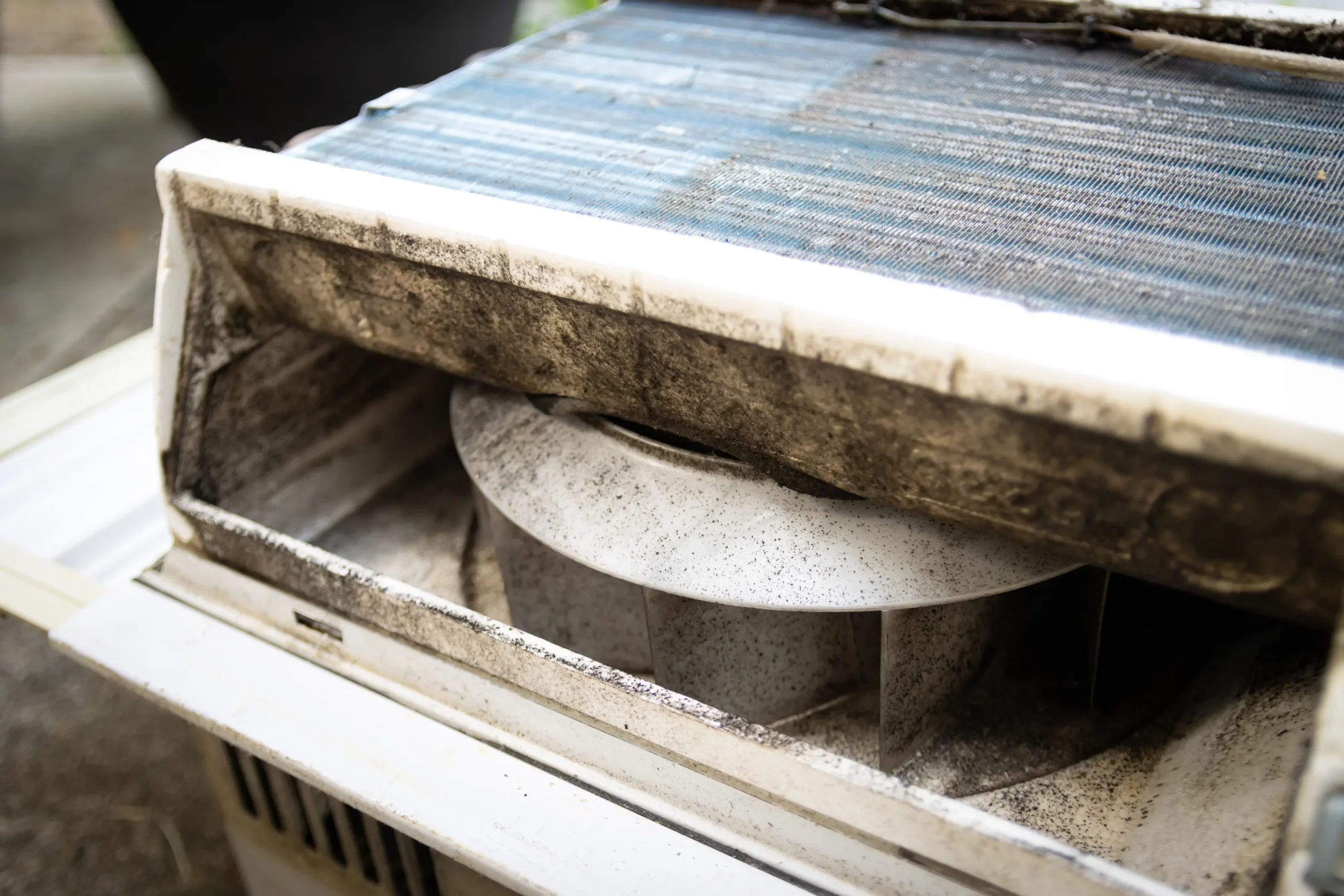

How Much Is Your Case Worth?

When Mold Exposure Becomes a Catastrophic Injury Case
Mold isn’t always visible. It can thrive behind walls, above ceiling tiles, under flooring, inside HVAC systems, and in damp basements or crawlspaces. Ongoing exposure may contribute to serious conditions, including:
- Severe asthma attacks and permanent worsening of respiratory disease
- Hypersensitivity pneumonitis and chronic lung inflammation
- Serious infections in immunocompromised individuals
- Neurological symptoms that disrupt daily function (in some cases)
- Complications that lead to hospitalization, long-term disability, or death
If a property owner, employer, contractor, or facility had the ability and legal duty to correct known moisture or ventilation problems but failed to act, the consequences can be actionable.
Not Just a “Maintenance Issue”
Mold and indoor air quality cases often come down to preventable failures, such as:
Water intrusion that wasn’t fixed
Roof leaks, plumbing failures, flooding, and foundation seepage that were patched over or ignored.
Improper remediation
“Cleanups” that spread contamination, fail to remove damaged materials, or don’t address the moisture source.
HVAC and ventilation problems
Poor filtration, negative pressure issues, blocked fresh-air intake, or contaminated ductwork.
Building design or construction defects
Materials and systems that trap moisture or allow chronic condensation.
Institutional neglect
Conditions in schools, hospitals, nursing homes, or public housing that persist despite complaints, reports, or prior incidents.
Ignored warnings and complaints
Maintenance requests, tenant reports, employee complaints, or internal inspection findings that flagged moisture, mold, or air quality problems—but were dismissed, delayed, or deliberately minimized until serious harm occurred.

Where These Exposures Happen
We investigate serious injury and wrongful death claims tied to mold and indoor air hazards in places like:
- Apartment buildings and rental properties
- Hotels and short-term rentals
- Schools and daycare centers
- Offices and industrial workplaces
- Hospitals, rehab facilities, and nursing homes
- Public buildings and government facilities
Who May Be Responsible
Depending on the facts, liability may involve:
- Landlords and property managers
- Employers and building owners
- General contractors and remediation companies
- Engineers, architects, or developers
- Maintenance vendors and HVAC contractors
- Government agencies or housing authorities
We look for the paper trail—inspection records, complaint logs, work orders, remediation invoices, air sampling, moisture mapping, and the timeline that shows what was known and when.


How we build Mold and IAQ Cases
These cases aren’t won with assumptions. They’re won with evidence.
Our approach typically includes:
- Rapid preservation of building conditions and documentation
- Investigation into moisture sources and repair histories
- Coordination with qualified experts when needed (industrial hygiene, building science, medical causation)
- A clear damages story that connects exposure to real-world harm, medical crisis, disability, lost income, and the family’s losses in a wrongful death claim
Signs a Mold/Indoor Air Case May Be More Serious Than You’ve Been Told
You may want legal guidance if:
- Symptoms escalated after moving into a building or returning after “repairs”
- Multiple occupants became ill in the same environment
- There’s a history of leaks, flooding, or recurring water damage
- Management dismissed complaints or discouraged testing
- A vulnerable person suffered hospitalization, respiratory failure, or fatal complications


Talk to a Toxic Tort Team That Investigates the “Why”
If mold exposure or dangerous indoor air contributed to a severe injury, or you lost a loved one after prolonged exposure, your family deserves a serious investigation, not a brush-off.
Contact McEldrew Purtell to discuss a mold and indoor air quality toxic tort claim.
Learn More
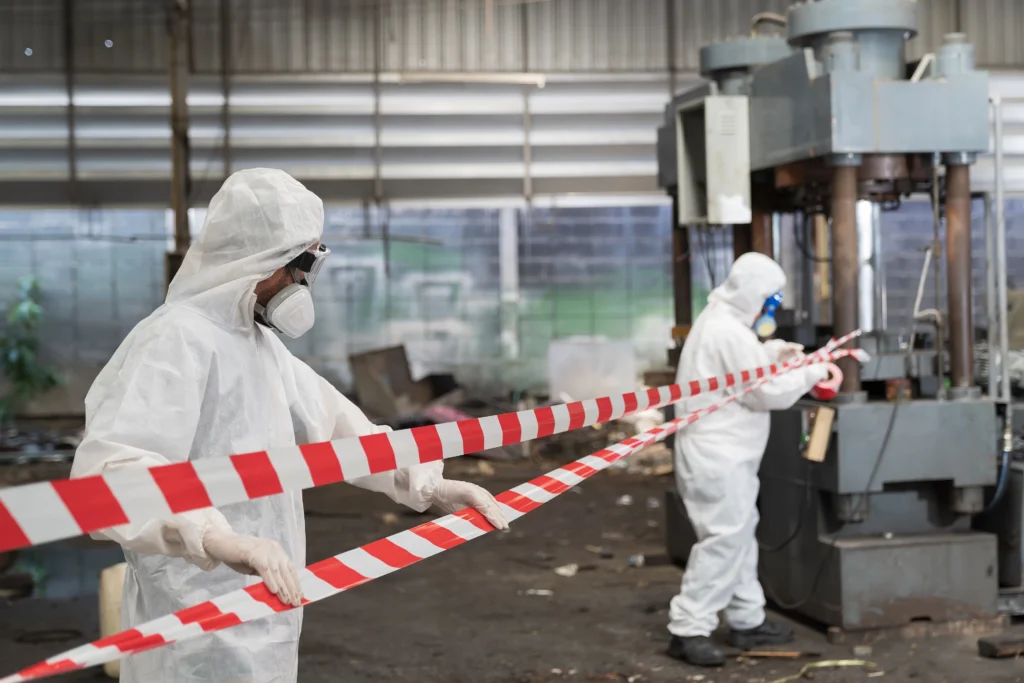
Toxic Chemical Exposure After Train, Truck, and Warehouse Spills
A train derailment, tanker truck crash, or warehouse spill can release hazardous chemicals into the air or across a worksite within seconds. Workers, drivers, emergency responders, nearby residents, and others may be exposed by breathing in contaminated air, getting chemicals…

Railroad Toxic Exposure Claims: Cancer, Lung Disease, and Proving Workplace Causation
Railroad workers face dangers that extend far beyond traumatic injuries and derailments. For decades, railroad employees have been exposed to toxic substances capable of causing serious illnesses, including cancer, chronic lung disease, and other life-altering medical conditions. Under the Federal…

Toxic Exposure Claims: Identifying the Right Liability Theory
Toxic exposures can cause life-altering injuries. The source may be a defective product, an unsafe workplace, a leaking facility, a mislabeled container, or a chemical release that reaches homes, schools, or nearby businesses. The legal claim depends on where the…
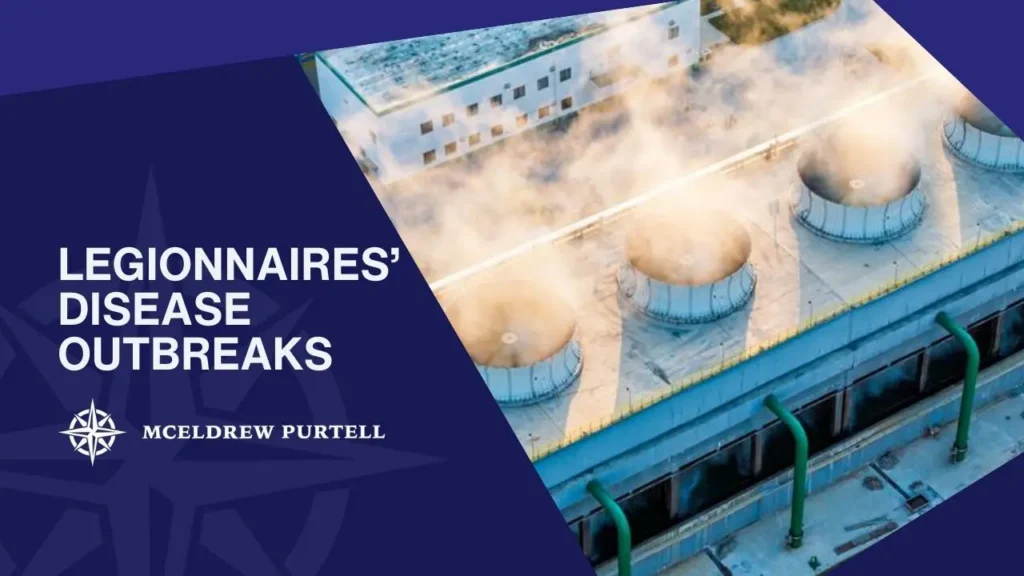
Growing New York City Legionnaires’ Disease Outbreak Raises Questions About Preventable Cooling Tower Failures
A growing Legionnaires’ disease outbreak on New York City’s Upper East Side has sickened at least 56 people, sending dozens to the hospital and triggering one of the city’s largest public health investigations of the year. Health officials are racing…
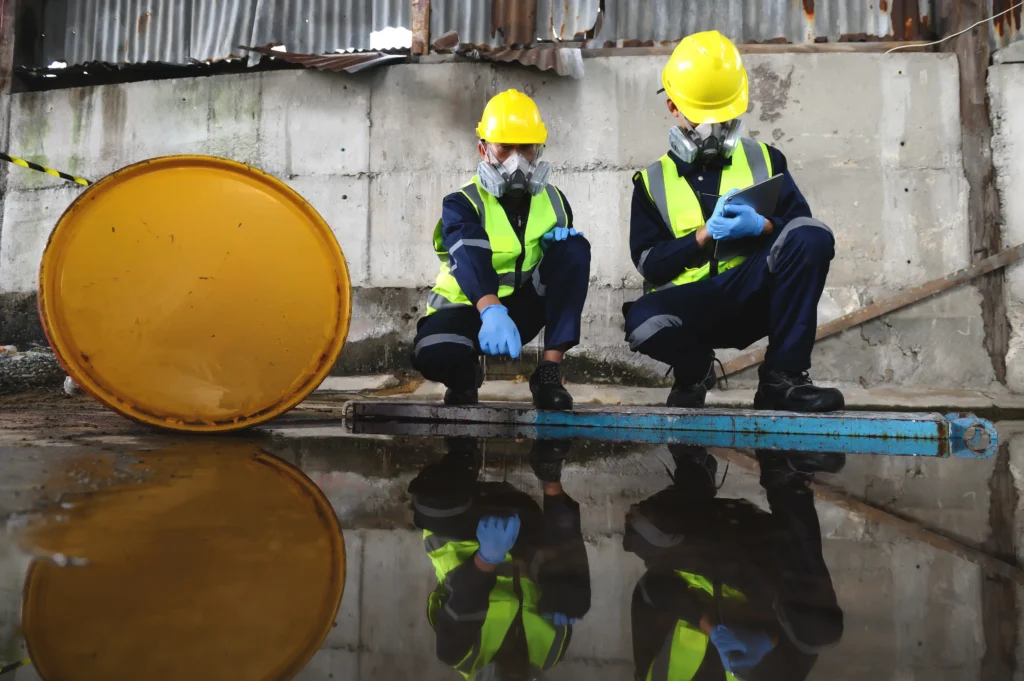
Supply Chain Failures: Toxic Chemical Exposure Leading to Burns, Organ Damage, and Wrongful Death
Workers, drivers, warehouse employees, emergency responders, and nearby families can suffer life-changing injuries when hazardous chemicals leak, spill, or ignite. A single transportation failure or packaging defect can expose people to toxic fumes, chemical burns, respiratory damage, explosions, or long-term…

Five Killed in Virginia I-95 Bus Crash as Investigators Examine Multi-Vehicle Collision Near Work Zone
Five people were killed and dozens more were injured when a bus struck multiple vehicles on Interstate 95 in Virginia. For the families involved, the central question is not only what happened in the seconds before impact, but whether the…