

When Gas Systems Fail, We Stand Up for Explosion Survivors and Their Families
Gas is supposed to stay inside the system – buried mains, service lines, meters, and appliances designed to contain it. When it leaks into a home, building, or street and finds an ignition source, the result is often devastating: a sudden blast, collapsing structures, severe burns, and lives permanently changed in seconds.
These events are almost never “unavoidable accidents.” They’re the product of missed leak calls, aging infrastructure, improper repairs, defective components, poor emergency response, or construction work that damaged a line without proper safeguards. Our role is to identify who made those choices and hold every responsible party to account.
McEldrew Purtell represents individuals and families injured in gas and pipeline explosions in homes, apartments, businesses, and public spaces with a focus on catastrophic injury and wrongful death.
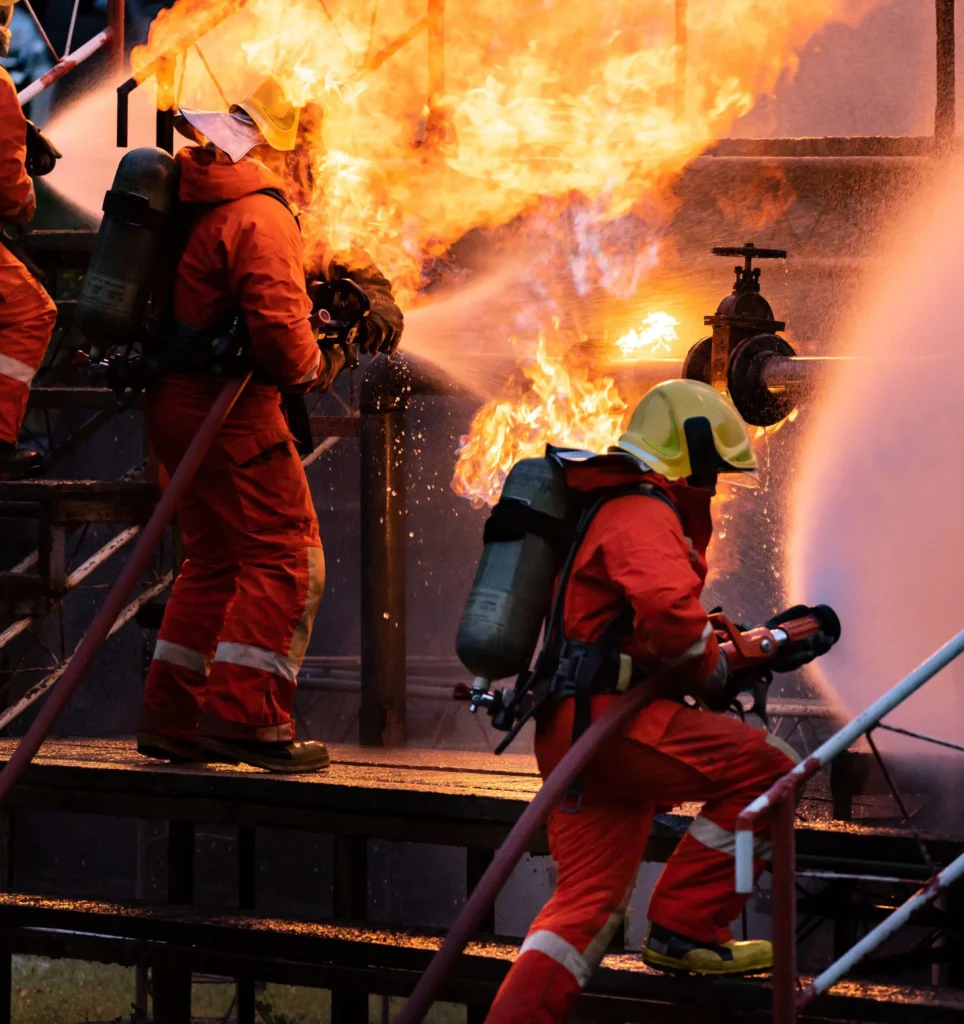

How Much Is Your Case Worth?
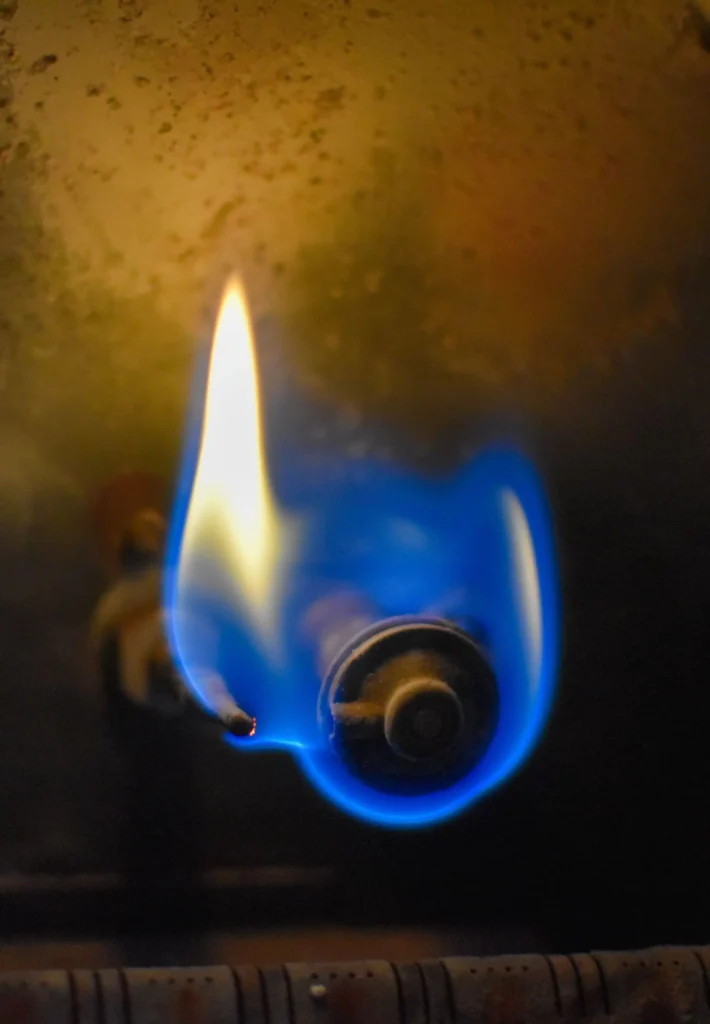
How a gas leak becomes an explosion
Natural gas and propane are highly flammable. For an explosion to occur, three things must come together: fuel, air, and ignition. In serious cases, we typically see failures at multiple points:
- Uncontrolled leaks – Cracked or corroded mains, defective service lines, faulty regulators, loose connections at meters or appliances, or damaged piping after construction or excavation.
- Ignored warning signs – Residents or businesses reporting gas odors, dead vegetation, or hissing sounds without meaningful response, or with “check and clear” visits that never find or fix the real problem.
- Inadequate shutoff and pressure control – System over-pressurization, failed relief valves, or inability to isolate a leak quickly because of missing or inoperable shutoff valves.
- Poor ventilation and building conditions – Gas collecting in basements, crawlspaces, or enclosed rooms with no way to dissipate, turning the entire structure into a bomb.
- Everyday ignition sources – A light switch, pilot light, appliance cycling on, static spark, or open flame that triggers a massive blast.
An effective investigation has to look at the entire timeline from the first sign of a leak through the utility’s response, construction activity in the area, and the building’s condition.
Where safety breaks down
Across gas and pipeline explosion cases, a few patterns show up repeatedly:
- Aging infrastructure without adequate replacement – Old cast-iron or bare-steel mains, known to be prone to leaks and failure, kept in service far beyond their safe life.
- Inadequate leak response and investigation – Utility crews failing to thoroughly locate and repair leaks, leaving underground gas to migrate into buildings or along rights-of-way.
- Poor recordkeeping and mapping – Inaccurate as-built drawings, missing records of prior leaks or repairs, and incomplete documentation of materials used making it harder to identify and manage risk.
- Improper installation and inspection – Gas piping, meters, regulators, and appliances installed incorrectly or without required inspections and tests.
- Inadequate public and customer communication – Customers not properly warned about gas-odor recognition, what to do if they smell gas, or when work in their area could affect gas service.
- Failures during emergencies – Delayed shutoff of gas supply, lack of coordination with fire and emergency services, and poor incident command in the critical minutes after a leak is discovered.
Our investigations focus on these systemic issues, not just on the moment of ignition.
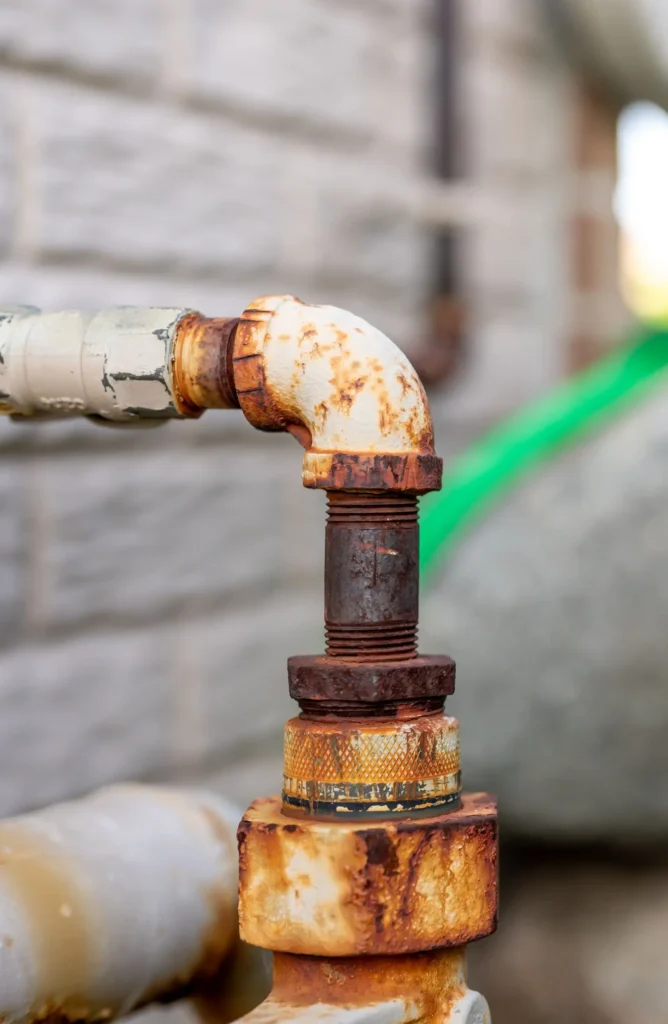
Gas & pipeline explosion scenarios we handle
Neighborhood main and service line explosions
Explosions that destroy or heavily damage multiple homes when a buried main, service line, or regulator station fails. These cases often involve aging infrastructure, corrosion, poor recordkeeping, or faulty pressure regulation.
Single-home or apartment explosions
Structures leveled or heavily damaged when a leak from a service line, meter, appliance, or interior piping accumulates and ignites. Landlord maintenance practices, code compliance, and appliance installation all come under scrutiny.
Commercial building and restaurant explosions
Leaks in mixed-use buildings, strip malls, and restaurants involving rooftop units, commercial cooking equipment, or shared gas systems often with complicated responsibility between owners, tenants, utilities, and contractors.
Excavation and construction damage
Explosions triggered after utilities or third-party contractors strike underground lines while digging, boring, or driving piles sometimes days or weeks after the initial damage.
Propane system failures
Incidents involving residential or commercial propane tanks, regulators, and lines including improper installation, lack of protection from vehicle impact, and inadequate inspection and maintenance.
Industrial and facility pipeline incidents
Explosions involving larger-diameter pipelines or industrial gas systems, where design, monitoring, and emergency shutoff systems are critical issues.
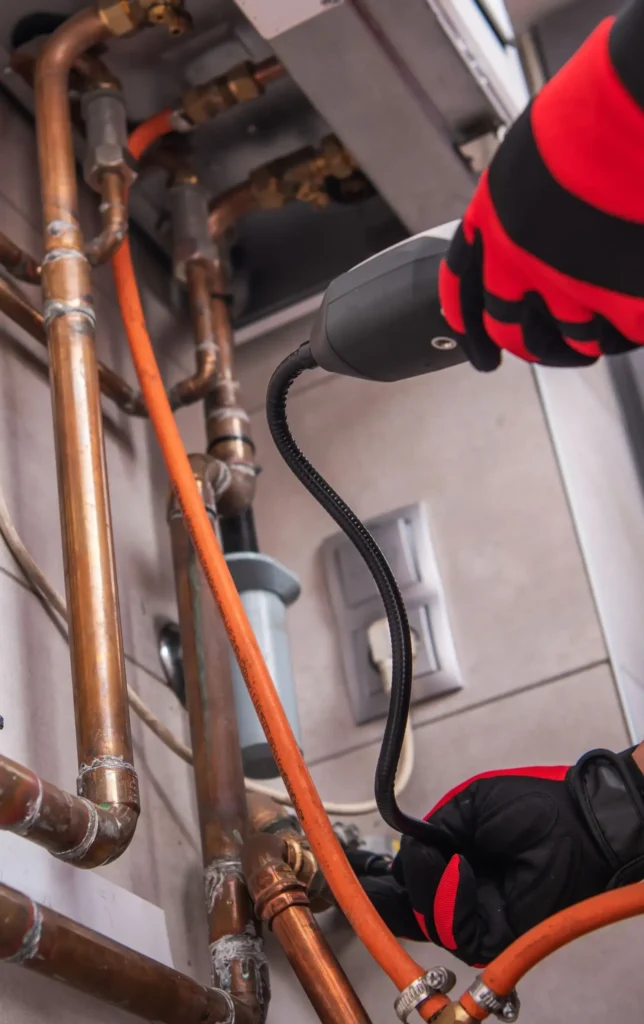
Who can be held responsible?
Gas and pipeline explosion cases usually involve multiple entities. Depending on the facts, potential defendants may include:
- Gas utilities and pipeline operators – For negligent design, operation, inspection, repair, leak response, pressure control, and failure to properly maintain or replace aging infrastructure.
- Landlords, property owners, and property managers – For unsafe premises, failure to maintain interior gas systems and appliances, ignoring complaints, and not complying with building and fire codes.
- Plumbers, HVAC contractors, and appliance installers – For improper installation, repair, or conversion of gas appliances, piping, and venting systems.
- Excavation and construction companies – For failing to follow “call before you dig” requirements, improper locating and potholing, and unsafe excavation practices that damage gas lines.
- Engineering and design firms – For flawed design of gas distribution systems, regulator stations, and building piping layouts.
- Equipment and component manufacturers – For defective meters, regulators, valves, connectors, flexible lines, appliances, or other components that fail under normal conditions.
Part of our work is identifying each entity that contributed to the chain of failures, so the full cost of the explosion is not pushed onto a single insurance policy.
How McEldrew Purtell approaches gas & pipeline explosion cases
These are complex, expert-driven cases that often pit individuals and families against large utilities, pipeline operators, and insurers. When we take on a gas or pipeline explosion matter, we:
- Move promptly to preserve the scene and physical evidence, including piping, meters, regulators, and appliances, where possible.
- Retain independent origin-and-cause and pipeline experts to analyze where the gas came from, how it accumulated, and what failed.
- Obtain and review utility records, mapping, leak and odor-call logs, work orders, maintenance histories, and prior incident data for the area.
- Investigate construction and excavation work in the vicinity and the conduct of contractors who may have damaged lines.
- Analyze building conditions, code compliance, and landlord/property management practices when explosions occur in residential or commercial structures.
- Coordinate with your medical providers and outside experts to document injuries, long-term care needs, and the full financial impact on you and your family.
- Build a case that clearly explains, in plain terms, how this explosion could have been prevented and why each defendant should be held responsible.
If a gas or pipeline explosion has taken a life, destroyed a home, or left you or a loved one with life-altering injuries, you should not have to stand alone against utilities, pipeline companies, contractors, and their insurers. McEldrew Purtell is prepared to investigate what really happened, uncover where the system failed, and pursue the accountability and financial recovery your case demands.

Learn More

Logan Township, New Jersey Building Explosion Prompts Shelter in Place: Updated Injury Reports, Propane Storage Details, and What Injured Workers Can Do
A building explosion at a large commercial facility in Logan Township, New Jersey led to a shelter-in-place advisory on Wednesday, March 4, 2026. Officials later lifted the shelter-in-place shortly before 5:00 p.m. after air monitoring reported no hazards detected. What…

Tabletop Fire Pits Are Causing Devastating Burn Injuries. Here’s What Families Need to Know.
Decorative tabletop fire pits and “smokeless” mini fireplaces are being sold everywhere right now – big-box stores, discount chains, home décor shops, and online marketplaces. They’re marketed as cozy, stylish ways to create ambiance for family gatherings, s’mores nights, or…

Explosion Reported at Bucks County Nursing Home: What Families Need to Know and Do Now
On Tuesday, December 23, 2025, an explosion and fire were reported at Silver Lake Nursing Home / Silver Lake Healthcare Center on Tower Road in Bristol Township, Bucks County. Early reports indicated people may have been trapped, a large emergency…

E-Scooter Catastrophic Injuries, Battery Fires, and Lawsuits: What Riders and Families Need to Know
Electric scooters (e-scooters) are now a familiar sight in Philadelphia and across the U.S. But with popularity has come a surge in serious injuries and, increasingly, devastating lithium-ion battery fires. If you or a loved one suffered catastrophic injuries or…
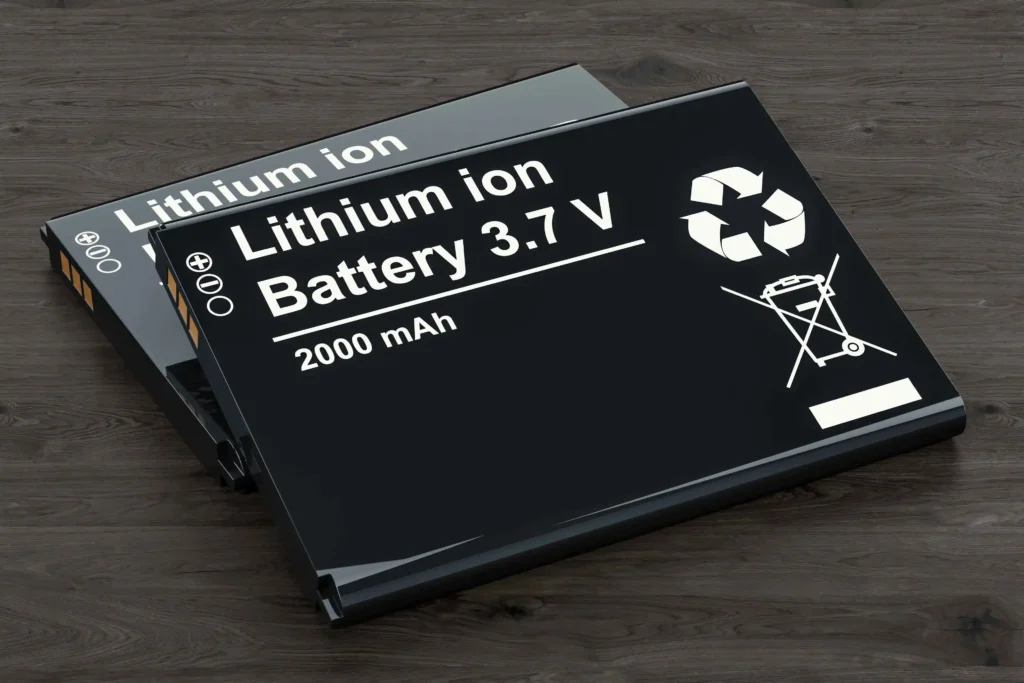
Lithium-Ion Battery Fires: What Victims Need to Know About Lawsuits
Lithium-ion batteries power our e-bikes, scooters, tools, phones, and power banks. When they fail, fires can erupt suddenly, spread fast, and be incredibly hard to extinguish. If you or a loved one suffered burns, smoke inhalation, or a fatality from…
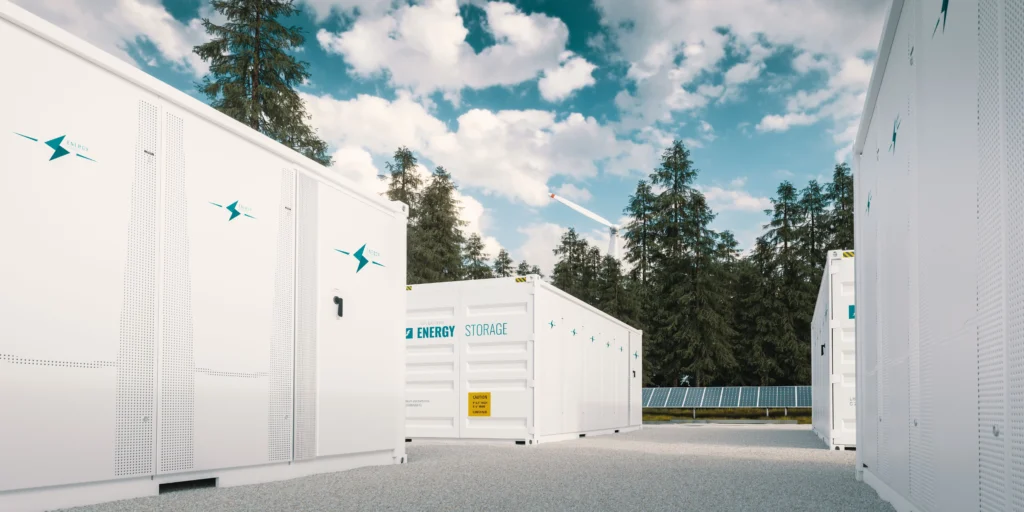
Lithium-Ion Battery Storage & Transport: Warehouse Fire/Explosion Litigation
Lithium-ion batteries power modern commerce but when storage or transport goes wrong, the fires are fast, toxic, and devastating. For injured workers, first responders, and nearby businesses, a single incident can upend lives. This guide explains how these losses happen,…