

Roadway worker or contractor hurt on the railroad? We protect the people who build and maintain the line.
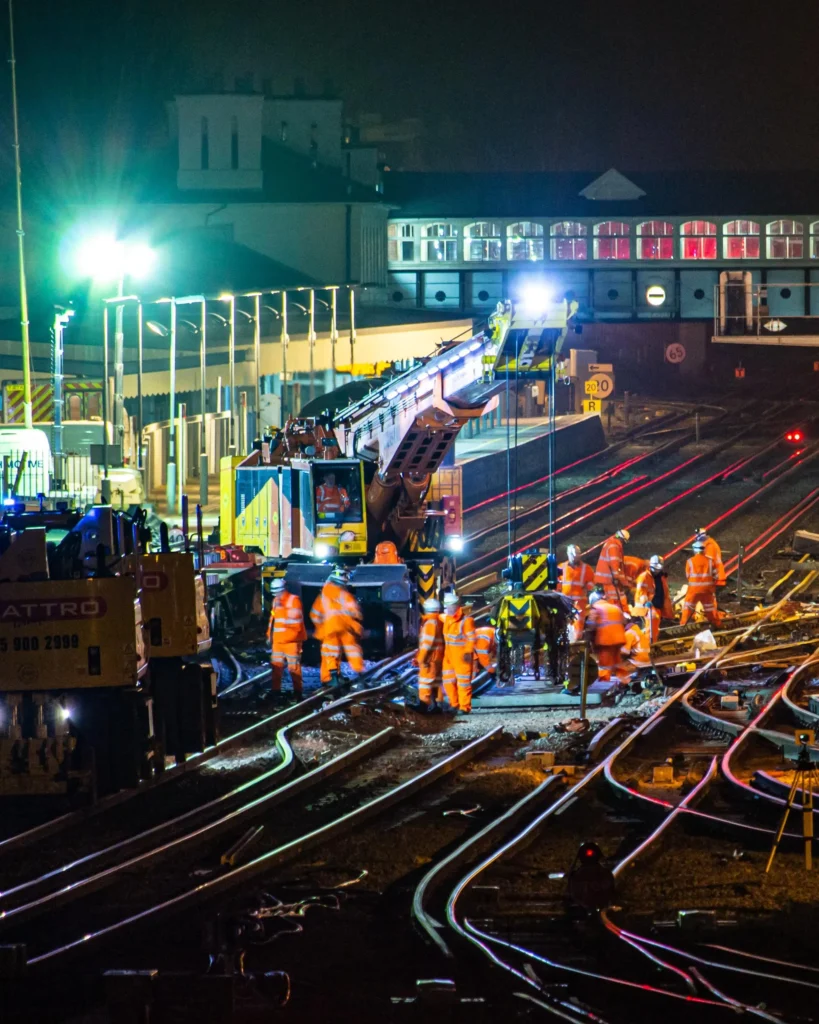
Track, bridge, signal, and construction crews are the backbone of any railroad. You inspect rail in all weather, rebuild bridges at night, fight with fouled ballast and heavy ties, and move powerful machinery in tight clearances while trains still run. When something goes wrong, the injuries are often life-changing, such as crush injuries, amputations, spinal trauma, burns, and wrongful death.
Those outcomes are not “just part of the job.” They’re often the product of unsafe planning, missing protection from train movements, defective tools or equipment, or supervisors pushing crews to work faster than conditions allow. Under the Federal Employers’ Liability Act (FELA), the railroad can be held accountable when its negligence plays any part in your injury.
McEldrew Purtell represents maintenance-of-way employees, bridge and building forces, signal maintainers, and construction contractors injured on or around railroad property, and families who have lost loved ones in these incidents.

How Much Is Your Case Worth?
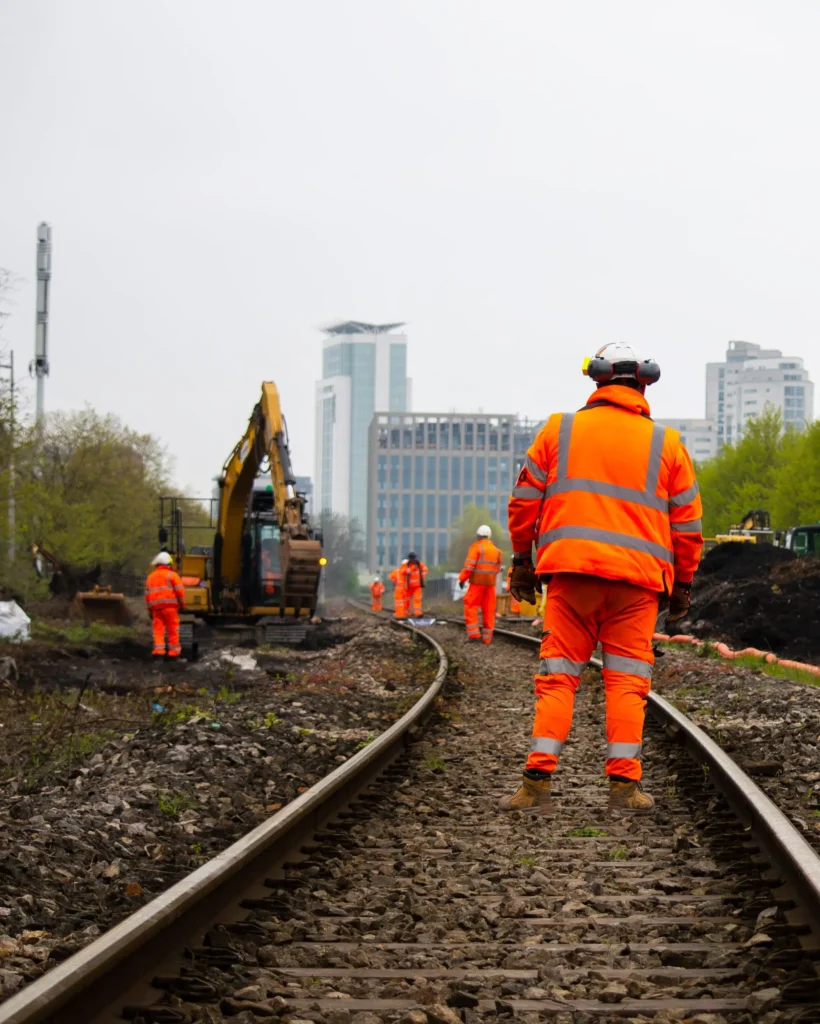
Who we stand up for
We represent:
- Track and MOW employees – section gangs, surfacing crews, tie and rail gangs, ballast and drainage crews.
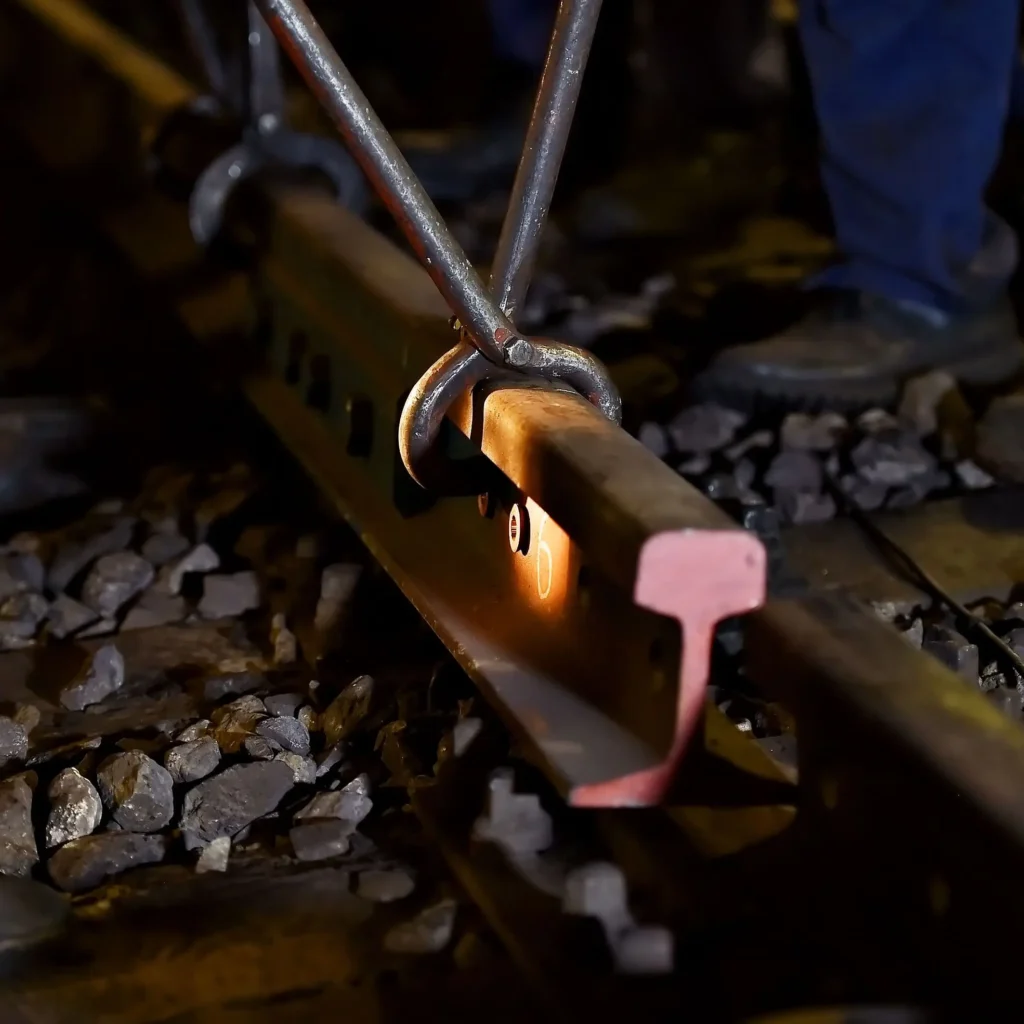
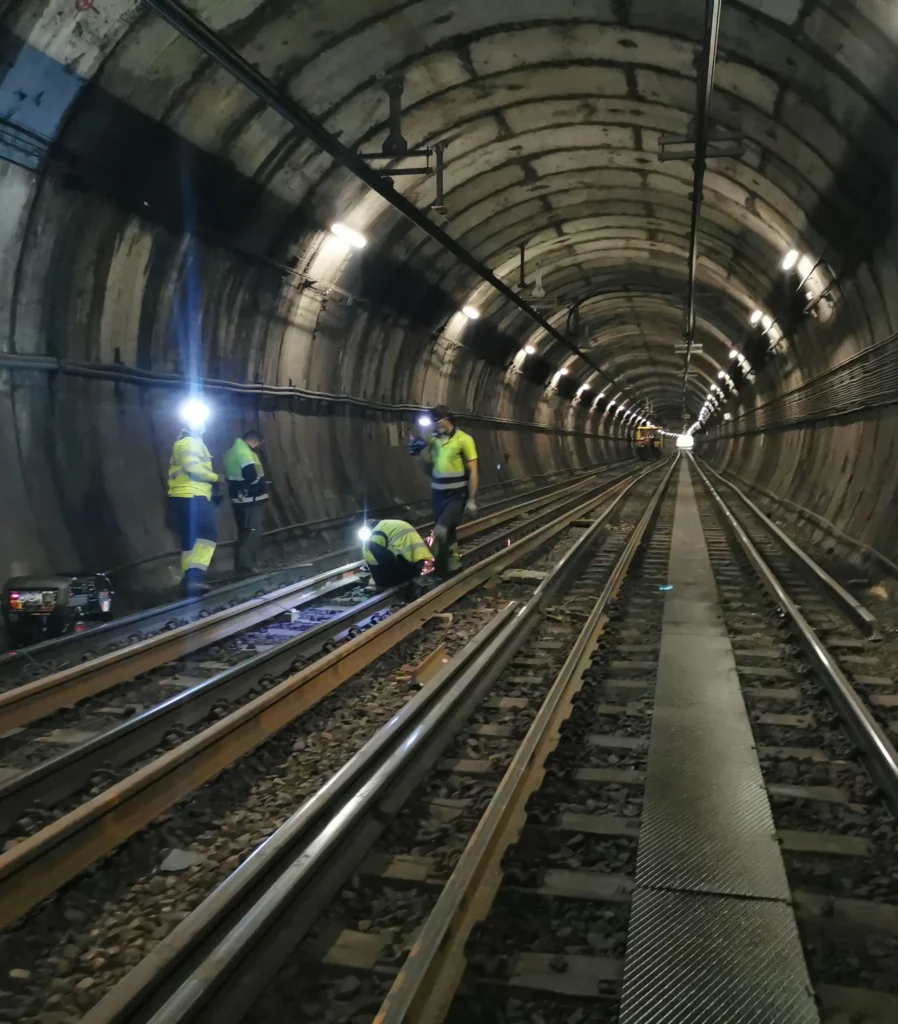
- Bridge, tunnel, and structure workers – bridge and building carpenters, steel workers, painters, and inspection teams.
- Signal and communications maintainers – roadway signal technicians, crossing maintainers, telecom and fiber crews.
- Contractors and subcontractors – construction, utility, and industrial crews working on or near railroad right-of-way.
Whether you were employed directly by the railroad or working under a contract, we focus on the same questions: Was the work planned and protected the way it should have been? Were you given safe equipment and enough people to do the job? Were known hazards ignored?
How MOW and construction jobs become needlessly dangerous
In theory, detailed rules, job briefings, and protection procedures should keep roadway workers safe. In practice, accidents often start with:
- Insufficient track protection – inadequate track warrants, foul time, lookout/warned systems, or miscommunication with dispatchers and train crews.
- Rushed or incomplete job briefings – hazards in the field not fully discussed, changing conditions never updated, or workers unclear on who controls protection.
- Understaffing and fatigue – too few people for the task, long overnight shifts, or “back-to-back” work windows that leave workers mentally and physically drained.
- Unsafe or poorly maintained equipment – hi-rail vehicles without functioning alarms, jacks and cranes overdue for inspection, tools that kick back or fail under load.
- Pressure to reopen the line – supervisors urging crews to “hurry up” to restore service, cut back on protection, or work in smaller windows than the job really requires.
These systemic issues matter just as much as what happened in the final seconds before the injury.
Common MOW & construction accident scenarios
Here are some of the situations we see repeatedly in investigations:
Struck-by and run-over incidents
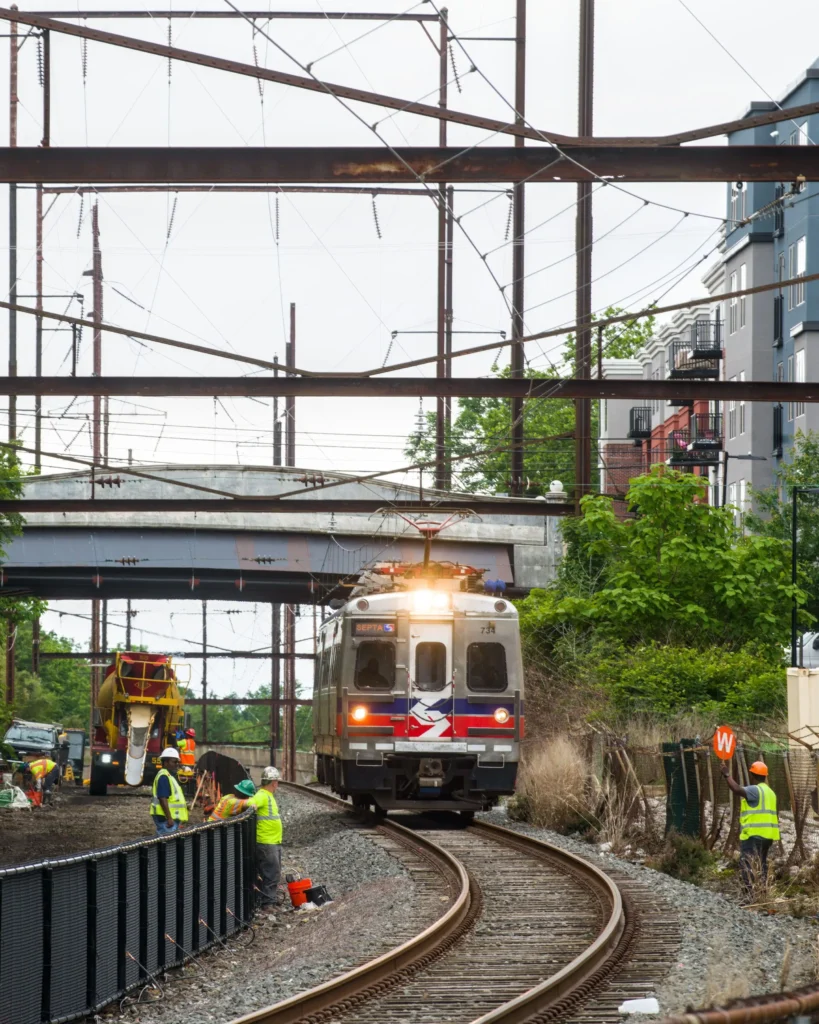
Workers on foot hit by trains, hi-rail trucks, ballast cars, or on-track equipment when protection breaks down, flags or watchmen are missing or distracted, or operators lose sight of ground personnel.
Heavy equipment and machine injuries
Tampers, tie inserters, regulators, excavators, cranes, and loaders pinning workers against fixed objects, rolling unexpectedly, or dropping loads because of mechanical problems, bad communication, or poor visibility.
Jack, hoist, and rigging failures
Cars or bridge components falling from jacks or stands; failed rigging on bridge, tunnel, or structure jobs; loads shifting because capacity limits were ignored or equipment was defective.
Falls and structural failures
Falls from bridges, trestles, ladders, lifts, scaffolds, or embankments; collapses of temporary work platforms, shoring, or access structures that were improperly designed or installed.
Welding, cutting, and electrical incidents
Burns, explosions, and electrocutions during thermite welding, torch cutting, grinding, or work near live electrical lines, when lockout/tagout, clearances, and fire protection are not properly enforced.
Cumulative trauma and overexertion
Back, neck, shoulder, knee, and hand injuries from years of lifting plates and ties, tamping by hand, operating vibrating tools, and working on uneven ballast, often worsened by understaffing and lack of mechanical assistance.
Where fault may lie
Serious MOW and construction injuries almost always have multiple causes. Depending on the facts, responsible parties may include:
- The railroad – For failing to provide a reasonably safe place and method of work, adequate protection from train movements, proper training, sufficient staffing, and safe equipment, giving rise to FELA claims for employees.
- Construction and maintenance contractors – For unsafe work methods, poor site control, inadequate supervision, or defective equipment they supplied.
- Equipment and tool manufacturers – For jacks, lifts, cranes, on-track equipment, power tools, or safety devices that were defectively designed or built.
- Property and industrial facility owners – When work is done inside plants, terminals, or industrial sites that have hidden drop-offs, unstable surfaces, or unmarked hazards.
Part of our job is to map out every entity that contributed to the hazard so your recovery is not limited to a single company or policy.les depending on the entity involved.
Your legal protections after a railroad worksite injury
If you were injured while working maintenance-of-way or on a railroad construction project, you should know:
- You are not limited to workers’ compensation. Railroad employees covered by FELA may sue their employer directly when negligence played any role in causing the injury, even a small one.
- You choose your doctors. You do not have to treat only with railroad-referred clinics or providers who may be focused on getting you back to work quickly.
- You do not have to give a recorded statement right away. Incident reports, “personal injury” forms, and claim agent interviews often minimize the railroad’s responsibility or blame workers for systemic failures.
- You are protected when reporting hazards or injuries. Retaliation for reporting a safety issue or getting medical care can violate federal law and may itself support additional claims.
If you are a contractor or member of the public, different legal frameworks apply, negligence, premises liability, and product liability but the core questions remain the same: Who created or allowed the dangerous condition, and what should they have done differently?
How we build MOW & construction cases
From the first contact, we focus on preserving evidence and telling the full story of what happened on that job site. Our team:
- Collects work orders, job briefings, track authority records, and protection paperwork to understand how the work was planned on paper.
- Secures dispatcher audio, radio traffic, video, GPS and event data, and equipment maintenance records before they are lost or overwritten.
- Visits the scene when necessary, documenting clearances, sight lines, footing, signage, and the condition of tools and machinery.
- Works with railroad operations, construction safety, and engineering experts to identify rule violations, inadequate planning, and unsafe practices.
- Coordinates with your medical providers to document diagnoses, treatment, restrictions, and long-term impacts on your ability to work and live your life.
We then pursue all available claims for medical costs, lost wages and benefits, diminished earning capacity, pain and suffering, loss of enjoyment of life, and, in wrongful death cases, the losses suffered by surviving family members. so your recovery is not limited to a single company or policy.les depending on the entity involved.
What to do if you’ve been hurt
If you’re dealing with a serious injury or the loss of a family member after a maintenance-of-way or railroad construction accident:
- Get the medical care you need first. Mention that it was a railroad or jobsite injury, but focus on your health.
- Avoid signing forms or giving detailed statements to claim agents before legal advice. You can provide basic facts without accepting blame or downplaying hazards.
- Write down what you remember. Include who was on the crew, what protections were in place, what equipment was involved, and any prior warnings or close calls at that location.
- Contact an attorney experienced in FELA and railroad construction claims. These cases are not ordinary workplace accidents; they require knowledge of railroad rules, contracts, and industry practices.
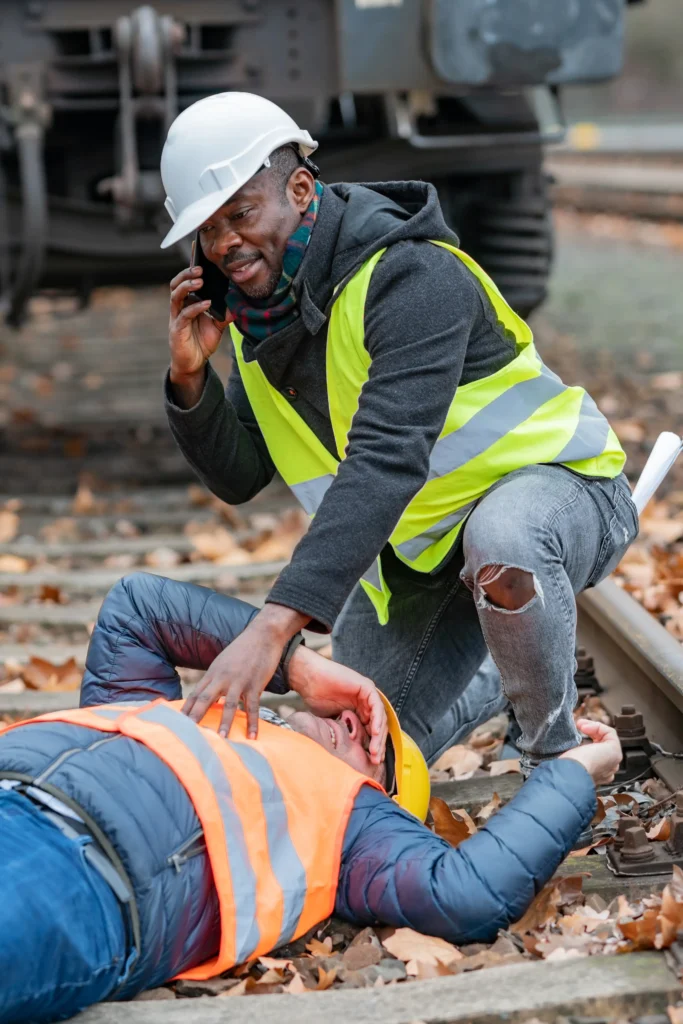
If a maintenance-of-way or railroad construction accident has turned your life upside down, you don’t need to take on the railroad, contractors, and multiple insurers by yourself. McEldrew Purtell can help you understand your options, uncover what really went wrong, and pursue the accountability and financial recovery your family needs.
Learn More
FELA vs. Worker’s Comp: What Qualifies as an FELA Claim?
One of the most important questions in a railroad injury case is whether the claim belongs under a state’s workers’ compensation law or the Federal Employers’ Liability Act (FELA). he answer to this question can have a dramatic impact on…
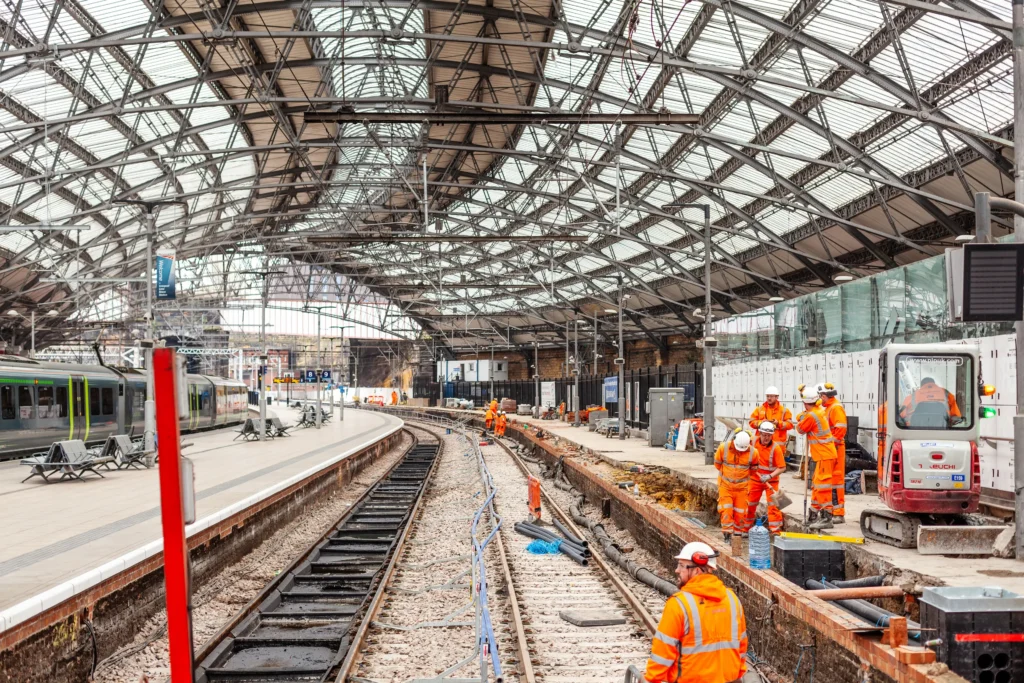
Comparative negligence under FELA: what it means and how railroads try to shift blame
If you are a railroad worker hurt on the job, your claim usually falls under the Federal Employers’ Liability Act (FELA), not standard workers’ compensation. One of the biggest battleground issues in a FELA case is comparative negligence. Railroads often…
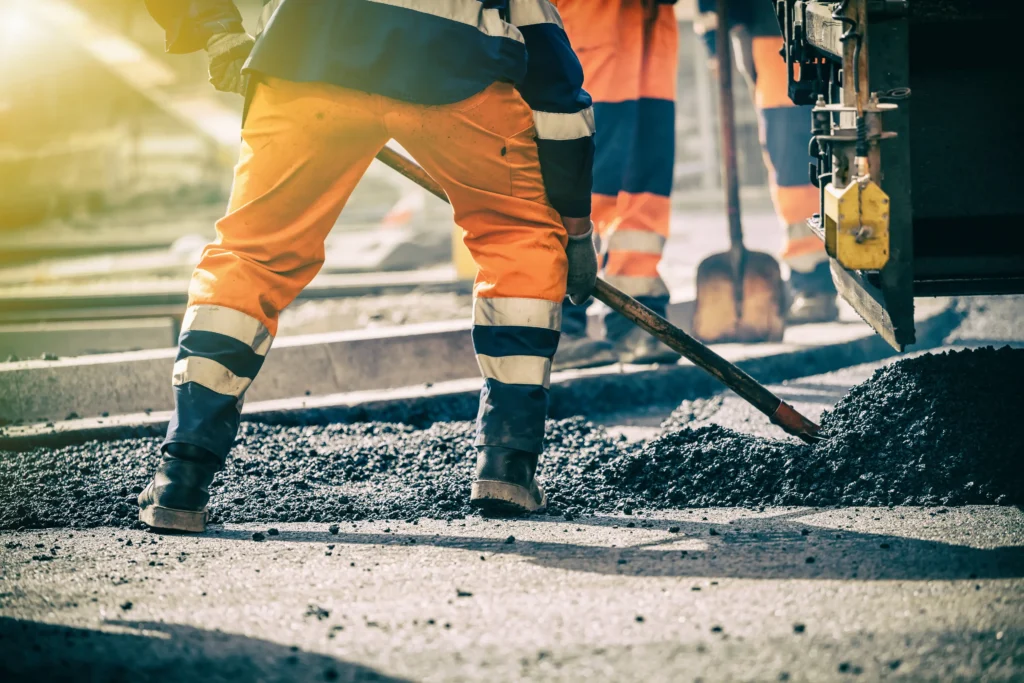
FELA vs. workers’ comp: the key differences railroad workers can’t afford to miss
If you are hurt working for a railroad, your claim usually is not a standard workers’ compensation case. Most railroad employees fall under the Federal Employers’ Liability Act (FELA), a federal law that works very differently than state workers’ comp.…
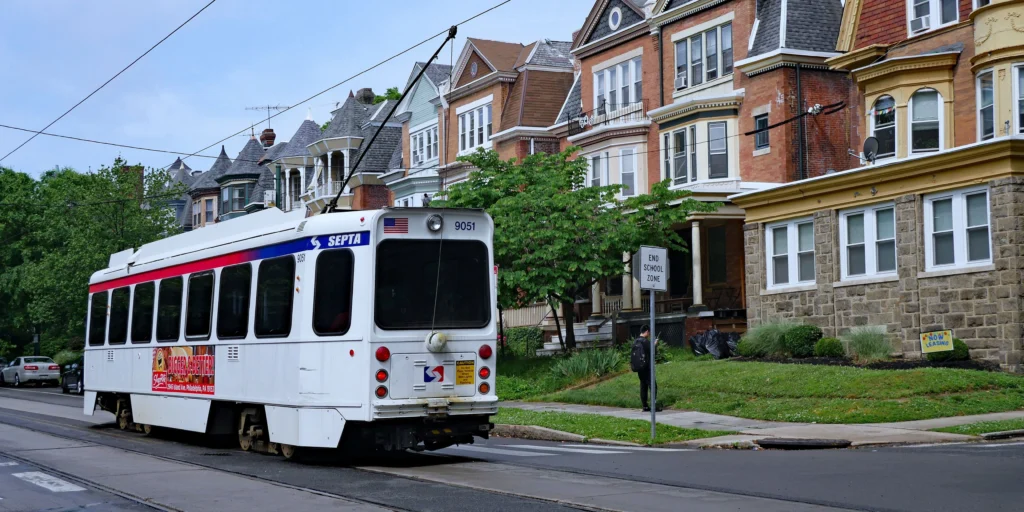
Legal Insight: Defining the Ownership of Tracks in Philadelphia – Where Should I look?
This article was created by the Philadelphia Trial Lawyers Association for The Verdict newsletter in conjunction with Cormick McLaughlin of McEldrew Purtell and is intended to provide legal insight into the ownership of railroad tracks in the Philadelphia area. Finding…
$700,000 FELA Settlement
Colin Haviland and Daniel Purtell settled an FELA case for $700,000 on behalf of a client who suffered severe injuries as a result of his Railroad employer failing to supply the proper equipment to complete his job. McEldrew Purtell’s client…
$885,000 FELA Settlement
Attorney John Coyle settled an FELA case for $885,000 for a union railroad worker, John Felder, who suffered serious injuries on the job, while loading railroad ties. Mr. Felder and a coworker were tasked with moving railroad ties onto a…