
Legionnaires’ Disease Outbreaks and Lawsuits: What Victims Need to Know
Legionnaires’ disease is not a rare, one-off problem. It’s a growing building-safety issue that keeps surfacing in headlines: cooling towers on hospitals and telecom buildings, assisted living facilities, hotels, condos, and entire neighborhoods affected by contaminated water systems.
Recent events in Harlem, the Bronx, New Hampshire, and an investigation into Verizon’s rooftop cooling towers in New York all point to the same reality: when large building owners and operators fail to manage their water systems, entire communities can be put at risk.
This article explains how Legionnaires’ disease happens, highlights several nationally covered outbreaks and investigations, and outlines what legal options may be available if you or a loved one has been diagnosed.
What is Legionnaires’ disease?
Legionnaires’ disease is a serious type of pneumonia caused by Legionella bacteria. People get sick when they breathe in tiny water droplets (mist) that contain the bacteria typically from building water systems, not from person-to-person contact.
Common symptoms include:
- Cough
- Fever and chills
- Shortness of breath
- Muscle aches and headache
- Sometimes nausea, confusion, or chest pain
Certain groups face higher risk of severe illness or death:
- Adults 50 and older
- Current or former smokers
- People with chronic lung disease
- People with weakened immune systems
CDC data show that a significant percentage of reported Legionnaires’ cases are fatal, especially in older or medically fragile patients.
Where Legionella grows: common sources in buildings
Legionella bacteria thrive in warm, stagnant water and in complex building systems that aren’t properly maintained. According to CDC, many outbreaks are tied to:
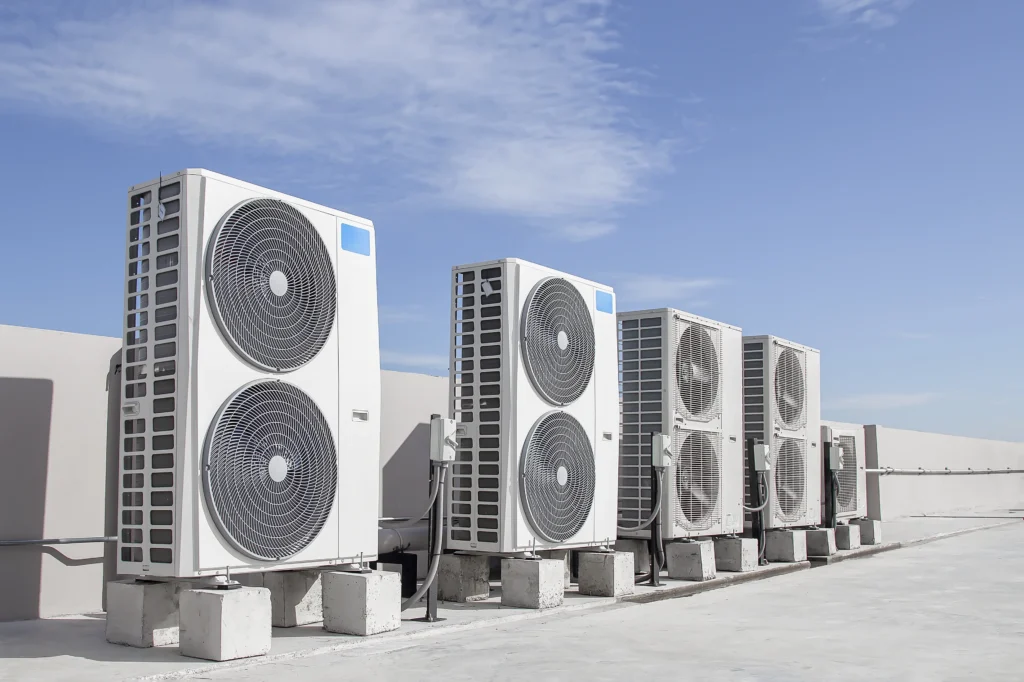
- Cooling towers (usually on roofs of hospitals, telecom buildings, offices, hotels)
- Large plumbing systems in high-rise residential and commercial buildings
- Assisted living and long-term care facilities
- Hotels, resorts, and spas (including pools and hot tubs)
- Fountains, decorative water features, and misters
- Industrial or manufacturing water systems
Because these systems serve many people and can aerosolize water, a single neglected system can cause dozens of illnesses.
Legionnaires’ disease is rising nationwide
CDC surveillance shows that reported Legionnaires’ disease has climbed sharply over the last two decades. Between the early 1990s and 2018, the age-adjusted incidence increased from roughly 0.5 cases per 100,000 people to about 2.7 cases per 100,000, with thousands of cases reported annually and public health experts believe many cases are still missed or misdiagnosed.
In other words, this is not a one-off or regional problem. It is a national building-safety issue tied to aging infrastructure, complex water systems, and uneven compliance with maintenance and testing rules.
Lessons from recent high-profile outbreaks and investigations
1. Central Harlem (New York City) – 2025 neighborhood outbreak
In the summer of 2025, New York City reported a large Legionnaires’ disease cluster in Central Harlem, ultimately confirming more than 110 cases and multiple deaths. Health officials traced the outbreak to Legionella found in at least a dozen cooling towers across ten buildings, including Harlem Hospital and a nearby city-run construction site.
Key points from the Harlem cluster:
- Dozens of people were hospitalized; at least seven deaths were reported as the investigation concluded.
- The city increased inspection frequency and proposed stricter cooling-tower testing rules (for example, more frequent Legionella sampling and higher penalties for non-compliance).
- Calls were made for an independent review of how city-owned buildings, acting as both landlord and regulator, handled their legal obligations.
For residents, Harlem is a stark example of how multiple cooling towers in a dense area can collectively drive a neighborhood-wide outbreak when oversight fails.
2. Verizon cooling towers in New York – statewide investigation
In 2022, the New York Attorney General announced an agreement with Verizon after an investigation into the company’s rooftop cooling towers across the state. Investigators found:
- At least 225 alleged violations of cooling-tower laws at approximately 45 buildings with Verizon-owned cooling towers
- Failures to:
- Conduct required testing for Legionella and other bacteria
- Take timely corrective action after positive test results
- Complete mandated cleaning, disinfection, and inspections by legal deadlines
Under the agreement, Verizon must overhaul its internal compliance systems and pay a civil penalty. The Attorney General also made clear that investigations into other cooling-tower owners in New York remain ongoing, signaling broader scrutiny of large building owners statewide.
This enforcement action highlights how corporate-level tracking failures and “paperwork” gaps can translate into real public-health risks.
3. The 2015 Bronx outbreak – one of the largest in U.S. history
New York City previously experienced one of the largest U.S. Legionnaires’ outbreaks in the South Bronx in 2015, where:
- Roughly 138 people were infected and at least 16 died
- The outbreak was traced to a single cooling tower in the area
- Testing later showed related Legionella strains in the community before and after the outbreak, suggesting long-standing infrastructure problems
That crisis prompted New York City to adopt new cooling-tower regulations, requiring owners to register towers, test them, and disinfect when contamination is found, rules that set the stage for later enforcement against companies like Verizon.
4. Other recent U.S. outbreaks under investigation
Recent years have brought a series of notable U.S. Legionnaires’ clusters tied to building water systems and infrastructure, including:
- Albany County, New York (2024): An outbreak at an assisted living facility led to three deaths, at least ten confirmed cases, and about twenty hospitalizations, underscoring the risk in senior-living settings.
- Grand Rapids, Minnesota (2023–2024): A community-wide outbreak with more than 20 confirmed cases prompted citywide water testing and disinfection measures, despite difficulty pinpointing a single source.
- Lincoln, New Hampshire (2024): A cluster of cases was linked to a cooling tower near a resort property in downtown Lincoln, triggering public advisories and remediation efforts.
These events show that Legionnaires’ disease is not limited to big coastal cities, it can affect smaller communities, tourist destinations, and long-term care residents when water systems are not actively managed.
Who can be held legally responsible?
Each case is fact-specific, but investigations often reveal avoidable failures. Potentially responsible parties can include:
- Property owners and landlords (residential and commercial)
- Hotels, resorts, and condo associations
- Hospitals, rehab centers, and long-term care facilities
- Telecom, industrial, or corporate building owners with large cooling towers
- Management companies and water-treatment contractors responsible for day-to-day maintenance
- Designers and installers of water systems, if design defects contributed to contamination
Legal theories commonly involved:
- Negligence – failing to inspect, maintain, disinfect, and monitor water systems
- Negligence per se – violating specific cooling-tower or public-health regulations
- Premises liability – exposing residents, guests, tenants, or workers to unsafe conditions
- Wrongful death – when a fatal case could have been prevented with reasonable care
Importantly, a regulatory settlement or fine does not compensate individual victims. Families often need to pursue civil claims to recover for medical bills, lost income, long-term disability, or loss of a loved one.
What compensation can a Legionnaires’ lawsuit cover?
While no lawsuit can undo a serious illness or death, a successful claim can help address the long-term consequences. Depending on the case, damages may include:
- Medical expenses (hospitalization, ICU care, rehab, follow-up treatment)
- Future medical needs for lung damage, neurological issues, or other complications
- Lost wages and loss of future earning capacity
- Costs of in-home care, mobility aids, or home modifications
- Pain and suffering and loss of quality of life
- Wrongful-death damages (funeral expenses, loss of financial support and companionship)
In some situations, punitive damages may be available where conduct was especially reckless for example, knowingly ignoring positive Legionella tests or repeat code violations.
Recent Legionnaires’ settlements and active litigation at McEldrew Purtell
Legionnaires’ disease cases are highly technical, requiring close work with epidemiologists, infectious-disease specialists, and water-system engineers. McEldrew Purtell has recently resolved two Legionnaires’ disease cases and is actively litigating a third.
Hislop (Maryland) – Legionnaires’ linked to a building water system
In the Hislop matter in Maryland, our client developed Legionnaires’ disease after exposure to a contaminated building water system. The case involved:
- Detailed review of how Legionella was able to grow and persist in the property’s plumbing
- Analysis of whether owners and managers followed public-health guidance and industry standards
- Investigation into prior water-quality issues and complaints
The case resolved in a confidential settlement, providing meaningful support for ongoing medical needs and recognizing the serious failures that led to the exposure.
Basile (Florida) – Estate claim following a fatal illness
McEldrew Purtell also served as co-counsel in the Basile case in Florida, pursued by the estate of a man who died from Legionnaires’ disease after alleged exposure to a residential community’s water system.
That matter likewise resolved in a confidential settlement after extensive work to:
- Examine the design and maintenance of the community’s water and plumbing systems
- Assess compliance with applicable codes and standards
- Reconstruct the timeline of testing, notice, and corrective actions
Actively litigating a third Legionnaires’ case
In addition to these settlements, McEldrew Purtell is actively litigating a third Legionnaires’ disease case, again involving allegations that a building owner failed to control Legionella in its water system. Our team is working with:
- Epidemiologists and infectious-disease experts to trace exposure
- Industrial hygienists and engineers to analyze how contamination developed
- Medical and economic experts to capture the full impact on our client and their family
Across these matters, our goal is the same: hold property owners and operators accountable when preventable water-system failures lead to serious illness or death.
What to do if you’ve been diagnosed with Legionnaires’ disease
If you or a loved one has been diagnosed with Legionnaires’ disease and you suspect a building water system, hotel, hospital, or cooling tower may be involved:
- Get and keep your medical records: Hospital records, lab results confirming Legionella, imaging, and discharge summaries.
- Write down where you were in the 2–14 days before symptoms
- Home and work addresses
- Hotels, gyms, hospitals, rehab facilities
- Time spent near large commercial buildings or industrial sites
- Watch for public-health notices: Health departments may identify outbreaks in specific neighborhoods or buildings. Save any letters, emails, or press releases you receive.
- Preserve any communications with landlords, building management, or employers: Emails mentioning “water issues,” cooling-tower work, prior Legionella testing, or “plumbing problems” can be important evidence.
- Talk with an attorney experienced in Legionnaires’ and building-related disease cases: These cases often involve overlapping public-health investigations, regulatory records, and multiple defendants. Early legal help can make a real difference in preserving evidence and meeting deadlines.
How McEldrew Purtell can help
McEldrew Purtell is a trial firm focused on catastrophic injury and wrongful death, including complex toxic exposure and environmental-health cases like Legionnaires’ disease linked to cooling towers, residential buildings, hotels, hospitals, and industrial facilities.
In Legionnaires’ disease matters, our team:
- Reviews medical records and exposure history to identify likely sources
- Obtains inspection reports, maintenance logs, and regulatory filings for suspect buildings
- Works with epidemiologists, industrial hygienists, and water-system engineers to connect the outbreak to specific failures
- Identifies all responsible parties including corporate parents, management companies, and contractors to pursue full accountability
- Builds a comprehensive damages picture with medical, vocational, and economic experts
You shouldn’t be left to carry the medical and financial burden of Legionnaires’ disease when a preventable building-system failure is to blame.
If you or a loved one developed Legionnaires’ disease, call McEldrew Purtell at (215) 545-8800 or fill out our online Free Consultation form.
We’ll listen to what happened, explain your legal options, and help you decide on the next steps to protect your health, your family, and your future.